Ernie Mae Miller
February 7 …
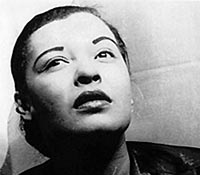
Ernie Mae Miller — jazz pianist, vocalist, and cultural influencer — helped shape the sound and spirit of the mid-20th-century music scene in Austin and beyond.
Born on February 7, 1927 in Austin, TX, she was immersed in a rich musical and educational heritage from a young age, being the granddaughter of renowned Black educator L.C. Anderson. With a natural flair for music discovered at age five, she evolved into one of her community’s most cherished entertainers, skillfully blending jazz, blues, and pop in ways that transcended racial and cultural divides.
Her formative years were filled with rigorous musical training and exploration. Miller started with piano lessons and later took on the baritone saxophone while playing in the high school band under the guidance of the esteemed band director B.L. Joyce, who mentored many young African American musicians of that era.
Graduating high school at just fourteen, Miller joined the all-female Prairie View Co-eds jazz band at Prairie View A&M University, where she toured nationally and performed alongside legendary artists such as Vaughn Monroe, Anita O’Day, and Billie Holiday. This early exposure to prominent stages and top-tier performers profoundly shaped her artistry and provided a solid foundation in swing and big-band styles that influenced her future work.
After returning to Austin, Miller shifted her focus from saxophone to piano and embarked on a remarkable solo career that spanned decades. She became a staple in local venues, from cozy lounges like the Flamingo Lounge and Jade Room to larger settings like the Driskill Hotel, but it was her long-standing residency at the New Orleans Club on Red River Street that solidified her reputation. There, she performed nightly for 15 years, captivating audiences with her rich vocal interpretations, improvisational piano, and a repertoire that included jazz standards, blues favorites, and her own innovative arrangements. Her live recordings from this period showcased a stylistic versatility deeply rooted in tradition yet distinctly her own.
Miller’s influence reached beyond her own performances. Both contemporaries and later artists admired her work. Janis Joplin, another Austin native, even paid tribute by covering her song “Little Girl Blue.” Throughout her career, she connected audiences from diverse backgrounds during a time of significant social change, contributing to the rise of Red River Street as a vibrant musical hub and enhancing the prominence of jazz and blues within American cultural history. Her legacy also underscored the importance of women instrumentalists during an era dominated by men.
Following her passing in 2010, Miller’s contributions continued to be recognized, exemplified by her induction into the Austin Music Hall of Fame in 2013, which affirmed her lasting impact on the city’s musical landscape. Her story embodies an extraordinary journey of talent, perseverance, and cultural influence — from early musical promise and national tours with groundbreaking all-girl jazz ensembles to decades of leadership in her hometown’s lively entertainment scene.
Through her achievements, influences, and the respect she garnered from both peers and successors, Ernie Mae Miller remains a significant figure in the rich tapestry of American music history.