Edward Elder Cooper


June 10 …
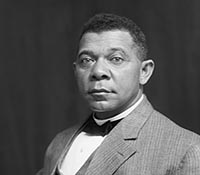
Edward Elder Cooper was a pioneering African American publisher and civic leader whose work in late 19th-century journalism helped shape public discourse on race, citizenship, and democracy during a transformative era in American history.
Born into slavery on June 10, 1858, Cooper emerged as a prominent figure in Washington, D.C., as the founder and editor of The Colored American (DC), one of the most influential Black newspapers of its era. Through his editorial leadership, he established the press as both a watchdog and an advocate, using print media to promote civil rights, education, and political engagement among African Americans in the post-Reconstruction years.
Cooper was publisher of the Indianapolis Freeman starting in July 1888. After selling that newspaper in 1892, he launched The Colored American (DC) with the intention of creating a national platform for Black political thought and social progress. At a time when mainstream newspapers often overlooked or misrepresented African American viewpoints, his publication provided comprehensive coverage of civil rights issues, federal appointments, educational initiatives, and community successes.
The newspaper advocated for equal opportunity, voting rights, and access to public office, while celebrating the achievements of Black professionals, educators, and entrepreneurs. Cooper’s editorial voice was both measured and assertive, promoting racial uplift and civic responsibility while challenging discriminatory practices ingrained in American society.
His work was informed by the broader tradition of African American journalism exemplified by figures like Frederick Douglass, whose earlier publications showcased the press’s potential as a catalyst for reform. Cooper navigated an intellectual landscape shaped by leaders such as Booker T. Washington and W.E.B. Du Bois, whose differing philosophies on racial progress fueled national debates.
Among his contemporaries in Black journalism were Timothy Thomas Fortune of the New York Age and Ida B. Wells, whose investigative work on lynching pushed the boundaries of advocacy journalism. Cooper’s newspaper fostered dialogue among these diverse perspectives, contributing to a national conversation about race, citizenship, and progress as the century turned.
In addition to journalism, Cooper was actively engaged in civic and political life. His federal appointments reflected his professional capabilities and the emerging, albeit limited, opportunities for African Americans in government during this time. His newspaper frequently reported on the appointments of Black officials and underscored the importance of representation in public institutions, reinforcing his belief that political participation was essential for racial advancement.
Through his editorial work and public service, Cooper helped position Washington, D.C., as a center of Black intellectual and political activity during a period characterized by both promise and setbacks.
Though Cooper did not gain widespread national accolades during his lifetime, his impact was acknowledged within African American communities and among reform-minded leaders who appreciated the independence and rigor of his publication. His legacy endures as part of the pioneering generation of Black publishers who sustained a vibrant alternative press amid segregation and disenfranchisement.
By demanding that African American voices be heard in the national discourse, Edward Elder Cooper played a crucial role in defining the mission of the Black press in American journalism and secured a lasting place in the broader narrative of American culture and democratic development.