Earle Hyman

October 11
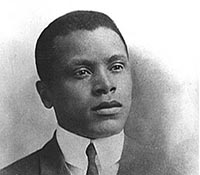
Earle Hyman was an accomplished actor whose career spanned more than six decades and left a lasting imprint on American theater and television.
Born on October 11, 1926 in Rocky Mount, NC and raised in Brooklyn, NY, Hyman developed a love for acting at an early age. He began performing in school productions and community theater before studying drama at the American Academy of Dramatic Arts. His deep voice, commanding presence, and classical training set him apart from many of his contemporaries, paving the way for a career that would defy racial limitations and elevate the presence of Black actors on stage and screen.
Hyman made his Broadway debut in 1944 in Run, Little Chillun, and soon became known for his powerful interpretations of Shakespearean roles, a rare achievement for Black actors at the time. He earned widespread acclaim for his performances as Othello, Hamlet, and other classical characters in both American and international productions.
His work with the American Shakespeare Festival and various European theater companies, especially in Norway where he frequently performed, highlighted his versatility and the universal appeal of his artistry. Hyman’s commitment to classical theater helped challenge the idea that such material was exclusive to white actors, opening doors for future generations.
Beyond the stage, Hyman reached a broader audience through his work in television, most notably for his role as Russell Huxtable, the father of Bill Cosby’s character on The Cosby Show. His portrayal of the wise and loving grandfather endeared him to millions of viewers and earned him an Emmy nomination. At a time when Black family representation on television was limited and often one-dimensional, Hyman brought warmth, dignity, and intelligence to a character who became a cultural touchstone. His work on the show helped shape the narrative of Black familial identity on American screens during the 1980s.
Hyman’s career was also marked by a profound dedication to cultural exchange and artistic integrity. Fluent in Norwegian and deeply engaged in the arts community abroad, he maintained strong ties to European theater throughout his life. He viewed acting not just as a profession, but as a calling to connect people across borders through shared stories and human emotion. Hyman’s ability to move seamlessly between American and European stages made him a unique ambassador for cross-cultural understanding in the performing arts.
Earle Hyman’s legacy is one of excellence, resilience, and quiet revolution. He broke barriers in theater and television at a time when opportunities for Black actors were few and far between, yet he did so with grace and uncompromising artistry. His body of work not only enriched American culture but also expanded the possibilities for how Black talent could be seen and celebrated.
Through his classical performances, his iconic television roles, and his international influence, Earle Hyman stands as a towering figure in the history of American performance.