E.E. Butler

April 13 …
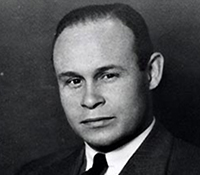
Emmett Ethridge Butler — also known as E.E. Butler — was a pioneering physician and civic leader whose work left a lasting mark on American society, particularly in the realm of public health and civil rights in the segregated South.
Born on April 13, 1908 in Jefferson, GA and raised in Macon, Butler pursued education with unwavering determination, eventually graduating from Morehouse College and later earning his medical degree from Meharry Medical College in Nashville, TN — one of the few institutions at the time where African Americans could study medicine. Dr. Butler moved to Gainesville in 1936, where he established his medical practice and became a respected figure in the community.
In a time when Black professionals faced systemic exclusion from many aspects of American public life, Dr. Butler not only built a thriving medical career, but also became deeply involved in advocating for improved healthcare access for the African American community. He was particularly focused on addressing disparities in medical services and worked to ensure that Black patients received compassionate and competent care. His leadership extended beyond his practice as he helped develop better sanitation standards and public health initiatives, significantly improving health outcomes in his region.
Butler’s contributions were not limited to medicine. He was also a civic leader who broke racial barriers in public governance. In 1950, he became the first African American appointed to the Gainesville Board of Education. At a time when the South was rigidly segregated, Butler’s appointment was a historic milestone, signaling a slow but meaningful shift toward inclusivity in local government.
While on the board, Butler advocated for equitable resources and educational opportunities for Black students, challenging the systemic inequities that had long plagued the segregated school system. Additionally, he was a deacon and Sunday school teacher at St. John Baptist Church, demonstrating his commitment to both spiritual and community leadership.
Through his work, Butler exemplified the vital role of Black professionals in reshaping American civic life during the Jim Crow era. He used his position not only to heal but to lead, becoming a symbol of dignity, perseverance, and progress in a society still deeply entrenched in racial inequality. His quiet, steady activism helped pave the way for the more visible waves of the Civil Rights Movement that would follow in the decades ahead, demonstrating that lasting change often begins with local leadership and daily acts of courage.
Butler’s death in 1955 was met with widespread mourning in Gainesville and surrounding communities, a testament to the deep respect he had earned across racial lines. In recognition of his trailblazing legacy, Gainesville honored him by renaming a local high school as E.E. Butler High School — the first high school in the city named after an African American. The school stood as a symbol of both his contributions and the aspirations of a community that he had served so faithfully.
Butler’s life remains a powerful example of how one individual, through professional excellence and community commitment, can confront injustice and promote lasting social progress. Though his name may not be widely known on the national stage, his work helped lay the foundation for integration and equity in education, healthcare, and civic representation.
The legacy of Dr. E.E. Butler continues to inspire those who strive to build a more just and compassionate society, proving that leadership rooted in service can resonate across generations.