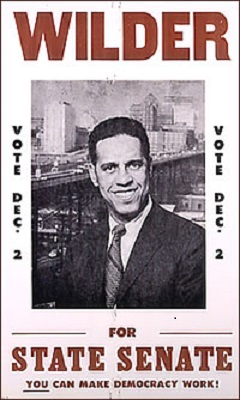
Douglas Wilder

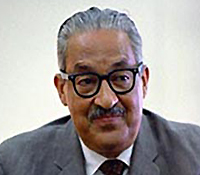

January 17 …
Douglas Wilder is a trailblazing American statesman whose historic achievements in law, government, and public service reshaped the landscape of political leadership in the United States and advanced the cause of social justice and equality.
Best known for being the first African American elected governor in U.S. history, L. Douglas Wilder’s career encompasses military service, legal practice, legislative leadership, and executive governance. His journey reflects a lifelong commitment to inclusive democracy, civic responsibility, and pragmatic leadership. Throughout his public life, Wilder expanded opportunities for underrepresented communities while navigating the complexities of American political institutions with integrity and resolve.
Born on January 17, 1931 in Richmond, VA, Wilder grew up in a working-class family that instilled in him values of hard work, community, and education. After graduating from segregated public schools, he served in the U.S. Army as a second lieutenant in the Quartermaster Corps — an experience that further shaped his leadership skills and belief in public service.
Wilder earned his bachelor’s degree from Virginia Union University, influenced by faculty dedicated to Black intellectual traditions and civic engagement, before obtaining his law degree from the prestigious Howard University School of Law, known for training civil rights lawyers and leaders. At Howard, he was immersed in an environment of legal activism and scholarship, engaging with peers and mentors committed to challenging segregation and inequality through the courts.
Following law school, Wilder began his legal career in Richmond, quickly establishing a reputation as a capable advocate and community leader. His formal entry into politics arrived with his election to the Virginia Senate in the late 1960s, where he championed civil rights, public safety, and fiscal accountability.
Among his peers were other prominent African American political figures navigating the turbulent issues of school desegregation and urban policy in the post-Civil Rights Act era. Wilder’s legislative accomplishments paved the way for his historic run for statewide office. In 1989, he was elected lieutenant governor of Virginia and, in 1990, he secured a resounding victory to become governor, serving from 1990 to 1994.
Wilder’s governorship was characterized by a commitment to fiscal discipline, governmental efficiency, and enhancing educational and economic opportunities for all Virginians. Renowned for his forthright communication style and willingness to confront challenging issues — from healthcare reform to prison overcrowding — he collaborated with national leaders and governors across the political spectrum to tackle public policy challenges, such as education funding and economic development.
His contemporaries included figures like Bill Clinton, as they navigated the post-Cold War political landscape of the early 1990s. Wilder’s pragmatic approach and leadership style earned him respect from both allies and adversaries, making him a sought-after voice on issues affecting race, governance, and civic engagement long after his gubernatorial term concluded.
Throughout his career, Wilder garnered numerous accolades acknowledging his historical significance and policy impact. He received honorary degrees from various universities and was celebrated for his contributions to public service as a pioneering African American leader whose achievements expanded political participation possibilities in the United States.
The legacy of Douglas Wilder includes institutions and programs that promote civic leadership and public policy education, nurturing future generations of public servants and advocates. By breaking racial barriers, advocating for justice, and exemplifying ethical leadership, his life’s work stands as a testament to the transformative power of civic engagement and the ongoing pursuit of a more equitable society.