
December 21
The story of Club Harlem is one of bold cultural ambition and enduring influence.
Founded on December 21, 1935, by Leroy “Pop” Williams in the Northside neighborhood of Atlantic City, NJ, the nightclub quickly became a cornerstone of Black entertainment in America. Williams, who had been studying medicine at the University of Pennsylvania, raised the funds to purchase the dance hall called Fitzgerald’s Auditorium and transformed it into a venue that paid homage to the vibrant cultural scene of Harlem, NY.
From its earliest days, the Club offered a space where African-American performers could showcase their talents to audiences that were — in a segregated era — often mixed in ways that challenged racial norms of the time.
For more than five decades, the Club stood at the heart of Atlantic City’s “Kentucky Avenue and the Curb,” a bustling Black business and entertainment district. Its sprawling layout — featuring seven bars, two lounges, and a main showroom with seating for over 900 — made it one of the city’s largest and most dynamic nightlife venues. Continuous live entertainment, from matinees and late-night sets to morning “breakfast shows,” ensured that the music never stopped. Drum maestro Crazy Chris Columbo led the house orchestra for 34 years, providing a rhythmic backbone that helped define the club’s energetic atmosphere.
Club Harlem’s stage was graced by some of the most iconic figures in American music and entertainment. Legends like Sammy Davis Jr. (who famously invited fellow Rat Pack members to perform), Dinah Washington, Dick Gregory, Gladys Knight, and Teddy Pendergrass enthralled audiences with jazz, R&B, and soul.
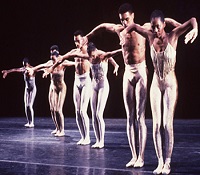
Smart Affairs — the club’s signature revue featuring 40 to 50 acts — was widely regarded as equivalent in spectacle to Broadway productions and it attracted tourists and locals alike. Produced by Larry Steele from 1946 to 1971, this blend of high-caliber talent and showmanship attracted visitors from across racial and economic lines, making the Club both a cultural landmark and a map point of American entertainment.
Beyond its contributions to music and performance, the Club nurtured a sense of community and pride in Atlantic City’s Black population. In an era when segregation limited access to many mainstream venues, the Club and its surrounding businesses — including other nightspots, restaurants, and services — created an enclave where Black entrepreneurship and artistry could flourish.
Support from figures such as Atlantic City’s first African-American mayor, James L. Usry, underscored the Club’s importance not just as an entertainment venue but as a symbol of civic and cultural identity. After its closure in 1986 and demolition in 1992, mementos from the Club became the focus of exhibitions and celebrations like the Kentucky Avenue Renaissance Festival, preserving its legacy for future generations.
Though it never received formal awards in the way contemporary institutions do, Club Harlem’s accolades live in the memories of its patrons and performers. It launched careers, broke racial barriers in performance spaces, and influenced the broader tides of American music and culture. Its role as a crucible for jazz, soul, and comedy — and as a meeting place where artists and audiences converged — marks it as one of the 20th century’s most significant nightclubs.
Today, Club Harlem is remembered not merely for the music and spectacles it hosted, but for its profound contributions to the cultural fabric of the United States.