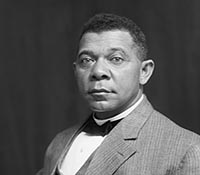

December 9 …
Cleveland Abbott was a pioneering educator, military officer, and track and field coach whose leadership at Tuskegee Institute helped transform American athletics, while advancing opportunities for African American athletes during the early 20th century.
Born on December 9, 1894 in Yankton, SD, Abbott was raised in a family that prioritized education and achievement. He ultimately attended South Dakota State College before transferring to the University of South Dakota, where he thrived as a multi-sport athlete. His upbringing in segregated America instilled in him a strong determination to create opportunities for Black excellence in academics and athletics.
Following his military service as an officer in World War I, Abbott honed his leadership abilities and deepened his commitment to discipline and service. In 1923, he joined the staff at Tuskegee, dedicating decades to establishing one of the most impactful collegiate track programs in the United States.
Abbott’s efforts were closely aligned with the visionary perspective of institutional leaders like Booker T. Washington, whose focus on self-reliance and education shaped Tuskegee’s mission. As the head coach of track and field, he cultivated a program that generated numerous national champions and Olympic athletes, significantly transforming the landscape of American track and field.
Abbott and his wife, Jessie Abbott, coached the first all-Black girls’ track team to enter the Olympics.
Among Abbott’s most notable protégés were Jesse Owens (whom he briefly coached and supported), Ralph Metcalfe, and Alice Coachman, who became the first Black woman to win an Olympic gold medal. He also guided Louise Stokes, Tidye Pickett, and many other athletes who broke racial and gender barriers in sports.
Abbott’s contemporaries included influential coaches and athletic figures navigating the changing landscape of amateur athletics during segregation, while his athletes competed alongside global stars at significant events such as the 1936 Summer Olympics. His coaching philosophy emphasized not only physical prowess, but also character, education, and racial uplift, establishing his program as a cornerstone of Black athletic development.
Abbott’s influence reached beyond competition, impacting civil rights, education, and American culture through his dedication to opportunity and representation. By creating pathways for Black athletes to excel on national and international stages, he directly challenged the exclusionary practices prevalent in early 20th-century sports. He earned widespread respect for his ability to instill discipline and pride in his students, many of whom emerged as leaders in their own fields.
Throughout his illustrious career, Abbott received numerous accolades, including induction into halls of fame that acknowledge his contributions to track and field and African American sports history.
The legacy of Cleveland Abbott lives on in the generations of athletes he mentored and the institutional strength he fostered at Tuskegee Institute, solidifying his status as a pivotal figure in the intersection of athletics, education, and social progress in American history.