

February 17 …
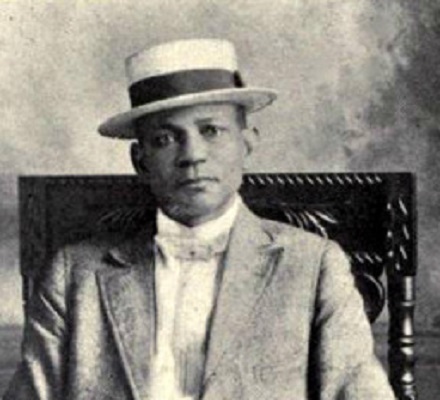
Charles Henry Douglass was a visionary African American businessman whose entrepreneurial spirit and cultural leadership made him a pivotal figure in shaping entertainment opportunities for Black Americans during the early 20th century.
Born on February 17, 1870 in Macon, GA to parents who experienced the aftermath of slavery, Douglass transformed his humble beginnings into a lasting legacy of economic empowerment, cultural celebration, and community uplift that resonated throughout Georgia and beyond. From his early days selling wood and vegetables to running a bicycle repair and rental business, Douglass showcased an exceptional ability to identify community needs and build enterprises to fulfill them.
His venture into real estate and finance as director of the Georgia Loan and Savings Company provided him with vital business experience and a springboard for further endeavors. Captivated by the emerging worlds of vaudeville and motion pictures, he established the Florida Blossom Minstrels and Comedy Company, a troupe that toured the South, allowing him to cultivate contacts and insights that would later inform his most significant contributions to entertainment.
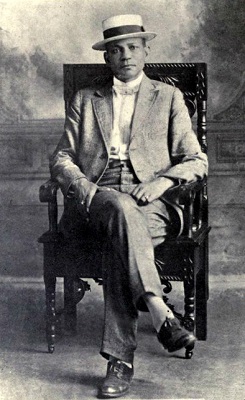
1919 photo of Douglass (from The National Cyclopedia of the Colored Race, vol. 1, 1919; author Clement Richardson)
Douglass’s work intersected with influential contemporaries and broader movements in African American entertainment. Through his involvement in the Theatre Owners Booking Association (T.O.B.A.), he connected with a network of theatre owners and performers navigating the challenges of the Jim Crow era, sharing the stage — both literally and figuratively — with other Black entrepreneurs striving to amplify the visibility and reach of Black performances and community celebrations.
While Douglass may not have had conventional idols, his admiration for successful entertainers and the community’s aspirations for dignity and recognition undoubtedly influenced his efforts. And although formal awards were scarce during his lifetime due to the racial barriers of the time, Douglass’s legacy is increasingly honored posthumously.
The Douglass Theatre remains a testament to his vision and resilience, listed on the National Register of Historic Places and celebrated as a cornerstone of cultural heritage. Modern recognitions — such as celebrations of his 150th birthday and ongoing scholarships and arts programs established in his name — highlight Douglass’s enduring impact on American entertainment, culture, and history.
The life story of Charles Henry Douglass serves as a powerful example of how business leadership and cultural commitment can create lasting community change.