February 9 …
C. Alfred Anderson — an American aviator who is known as the “Father of Black Aviation” — earned the nickname “Chief” as chief flight instructor of the Tuskegee Airmen.
Born on February 9, 1907 in Bryn Mawr, PA, Anderson was fascinated by flight from an early age, though opportunities for African Americans in aviation were virtually nonexistent at the time. Undeterred by racial barriers, Anderson taught himself the basics of flying and eventually purchased a used airplane before he had ever received formal instruction. Because flight schools refused to admit Black students, he sought private lessons and logged countless solo hours, becoming one of the first African American pilots to earn a private pilot’s license in the United States.
By 1932, Anderson earned his air transport pilot’s license, the highest level of certification, making him the first African American to do so. His persistence and skill quickly made him a respected figure in aviation circles, particularly within Black communities.
Chief Anderson became known as a tireless mentor and instructor, determined to pass on his knowledge to aspiring African American aviators. He began working closely with historically Black colleges, including Tuskegee Institute, to establish aviation programs that could open doors for Black youth in the field of flight.
Anderson’s most historic contributions came during World War II, when he led the training of the Tuskegee Airmen — the first group of African American military pilots in U.S. history. As chief flight instructor at the Tuskegee Army Air Field, he trained hundreds of pilots who would go on to serve with distinction in combat missions across Europe. Under his instruction, these pilots earned a reputation for excellence and bravery, directly challenging racist assumptions about African American capabilities and contributing to the eventual desegregation of the U.S. Armed Forces.
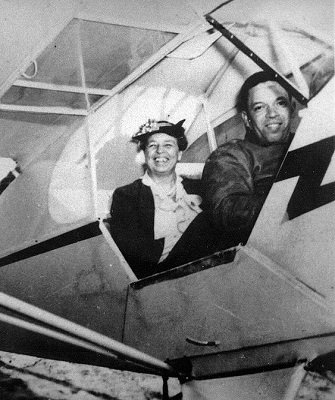
One of the most iconic moments of Anderson’s career occurred in 1941, when he took First Lady Eleanor Roosevelt on a flight during her visit to Tuskegee. The event was highly symbolic and widely publicized, helping to dispel myths about the risks of Black pilots and encouraging federal support for the Tuskegee training program. The flight demonstrated Anderson’s calm confidence and commitment to changing perceptions about race and aviation through demonstration, mentorship, and visibility.
Anderson’s impact on American aviation is profound. He opened pathways for African Americans in both military and civilian aviation, helping to dismantle the racial barriers that once defined the field.
The legacy of C. Alfred Anderson — “Father of Black Aviation” — lives on in the many pilots he trained and the doors he helped open. Through his skill, determination, and vision, he transformed the skies from a segregated space into a field of opportunity and progress, securing his place as a pioneer in American history.
* Photo is of Chief Anderson with First Lady Eleanor Roosevelt on April 11, 1941 during her visit to Tuskegee.