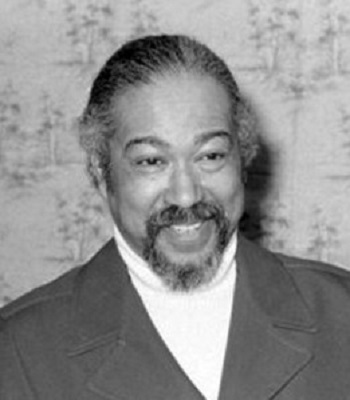
Brumsic Brandon Jr.


April 10 …
Brumsic Brandon Jr. was a visionary cartoonist whose work carved out a vital space for African American voices in American journalism and comic art.
Best known for creating Luther, one of the first nationally syndicated comic strips to focus on the Black experience, Brandon brought social commentary and satire to the comics page at a time when few mainstream outlets were addressing issues of racial inequality and systemic injustice. His work began in the late 1960s, during the height of the civil rights movement, and captured the everyday realities of Black life with wit, intelligence, and unwavering honesty.
Born in Washington, DC on April 10, 1927, Brandon’s artistic journey was deeply intertwined with the racial dynamics of 20th-century America. As a self-taught artist and cartoonist, he started contributing editorial cartoons and illustrations to African American publications before gaining national recognition.
With “Luther,” which debuted in 1969, he introduced readers to a cast of young Black children navigating life in an urban neighborhood. The strip offered humorous and poignant reflections on racism, education, economic disparity, and community life through the eyes of its young protagonist, Luther.
Brandon’s contribution to journalism was revolutionary. He used the accessible medium of the comic strip to engage audiences on complex social issues, effectively turning humor into a form of resistance and education. In a media landscape largely dominated by white perspectives, “Luther” provided a rare and powerful counter-narrative. His work influenced how newspapers approached diversity and inclusion, pushing editors and publishers to consider the importance of representing a wider range of experiences in both content and authorship.
As a literary figure, Brandon combined the brevity of comic dialogue with layered, insightful storytelling. His characters, though cartoonish in appearance, were fully realized individuals with distinct voices, challenges, and aspirations. This balance of satire and realism allowed “Luther” to resonate with readers of all backgrounds, while especially affirming the experiences of African American youth. Brandon’s work challenged readers to confront uncomfortable truths, all while maintaining the levity and visual charm that defines great cartooning.
Brandon’s legacy extends far beyond the pages of his comic strips. He paved the way for future generations of Black cartoonists, including his own daughter, Barbara Brandon-Croft, who would go on to become a syndicated cartoonist in her own right. His art remains an essential part of American cultural history — a testament to the power of creativity as a tool for activism, representation, and truth-telling.
In bridging journalism, literature, and visual art, the work of Brumsic Brandon Jr. continues to inspire and educate, reminding us of the role storytelling plays in the ongoing struggle for justice and equality.