Browder v. Gayle


November 13 …
Browder v. Gayle was a landmark Supreme Court case that played a pivotal role in the civil rights movement, challenging racial segregation laws and contributing to the eventual dismantling of discriminatory practices in the United States.
Decided on November 13, 1956, the case emerged from the Montgomery Bus Boycott, which ignited in December 1955 after Rosa Parks was arrested for refusing to give up her seat to a white passenger. It was named after Weaver Browder, who, along with other plaintiffs, sued city officials, including Montgomery’s mayor, W.A. Gayle. The lawsuit specifically targeted the city’s enforcement of segregation laws on public buses.
This lawsuit was originally filed in the U.S. District Court by lead attorney Fred Gray on February 1. It was crucial as it challenged the legality of segregated seating on public transportation, asserting that such segregation violated the Equal Protection Clause of the Fourteenth Amendment.
As the case garnered attention, it symbolized the escalating tensions surrounding segregation and civil rights. Major stakeholders included the local African American community, civil rights leaders like Martin Luther King Jr., and organizations such as the NAACP, which supported the boycott.
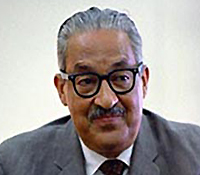
The plaintiffs’ legal team, led by Thurgood Marshall in the Supreme Court, passionately argued that the discriminatory practices of the bus system were not only morally wrong but also unconstitutional. This case underscored the collective determination of those fighting for justice and equality against systemic oppression.
The Supreme Court ultimately ruled in favor of Browder, declaring that the segregation laws applicable to Montgomery’s buses were unconstitutional. This landmark decision marked a significant triumph for the Civil Rights Movement, reinforcing the idea that segregated public facilities breached the Equal Protection Clause. It led to the immediate desegregation of the Montgomery bus system and invigorated the broader movement for civil rights across the nation.
The legacy of the case extends beyond its immediate impact, inspiring additional legal challenges to segregation and discrimination throughout the country. Its influence was profound, galvanizing more activists to take part in civil disobedience and advocate for legislative reforms aimed at achieving equality.
Often recognized in discussions of the Civil Rights Movement, this case is seen as a pivotal moment that paved the way for future legislative achievements, such as the Civil Rights Act of 1964.
The ruling in Browder v. Gayle remains a powerful symbol of the ongoing struggle for justice and equality in American society, honoring the bravery of those who stood against injustice.