

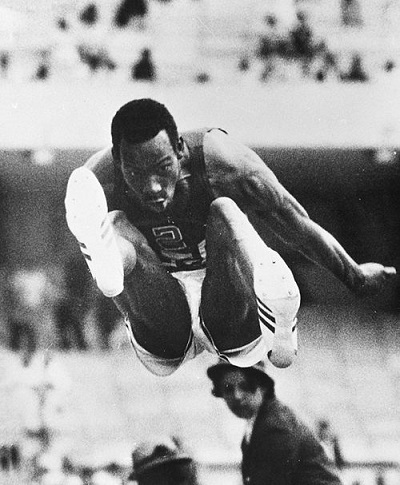
Bob Beamon


August 29
Bob Beamon is a name that resonates deeply in the world of athletics, not only for his extraordinary achievements on the track but also for the lasting impact he made on American sports, culture, and history.
Robert Beamon was born on August 29, 1946 in Jamaica, NY, and his rise to prominence in the world of long jump became a defining moment in the history of track and field. His defining moment came during the 1968 Summer Olympics in Mexico City when and where he broke the world record in the long jump in one of the most spectacular performances ever seen in Olympic history.
With a leap of 8.90 meters (29 feet, 2½ inches), Beamon surpassed the previous world record by a staggering 55 centimeters. This feat was so groundbreaking that it took 23 years for anyone to surpass his mark, further cementing Beamon’s place as one of the most iconic athletes of the 20th century.
Beyond his remarkable athletic prowess, Beamon’s 1968 performance unfolded during a period of profound social and political turmoil in the United States. The Mexico City Olympics are remembered not just for Beamon’s historic leap, but also for the cultural backdrop of the event. The Olympic Games became a platform for protests against racial inequality, with Beamon’s victory coinciding with the iconic Black Power salute by Tommie Smith and John Carlos on the podium, highlighting the intersection of sports and social justice. Although Beamon did not take part in the protests, his triumph emerged as a powerful symbol of Black excellence amidst the fervent civil rights struggles of the time. In this context, Beamon’s career contributed to a broader discourse on race, identity, and opportunities within sports.
Following his Olympic success, Beamon continued to be a trailblazer, not merely as an athlete but also as a sports ambassador. His influence extended far beyond the track, inspiring future generations of athletes through his post-Olympic pursuits, including motivational speaking, business ventures, and advocacy for underserved youth communities. He became a prominent advocate for track and field in the United States, instilling hope and possibility in Black athletes. Beamon’s legacy as a role model reached beyond athletics, demonstrating how success could open doors for new opportunities and foster positive societal change.
The contributions of Bob Beamon to American sports culture also encompassed pioneering efforts in sports psychology and mental preparation. After his momentous jump, he confronted personal challenges, wrestling with the immense pressure to replicate his record. However, he transformed these obstacles into invaluable learning experiences. Through close collaboration with coaches, psychologists, and mentors, Beamon worked to surmount the mental barriers that hindered his performance in the years that followed his Olympic victory. His openness about his psychological struggles helped destigmatize mental health issues among athletes, especially in an era when mental fitness was often overlooked in athletic training. Beamon’s journey encouraged future generations to appreciate the importance of psychological resilience in achieving lasting success.
In the wider narrative of American history, the legacy of Bob Beamon extends beyond athletics, embodying perseverance, triumph, and social change. His influence on sports history surpasses his record-setting jump, as he redefined the possibilities of the long jump and pushed the boundaries of human potential. His career exemplified the formidable power of hard work, mental fortitude, and an unwavering dedication to breaking barriers, establishing him as a pivotal figure in American sports culture and a lasting inspiration for athletes globally.
The enduring legacy left by Bob Beamon is evident today, as he remains a celebrated icon in track and field, recognized for both his world record and the profound cultural significance of his contributions.
