


Bernard Shaw

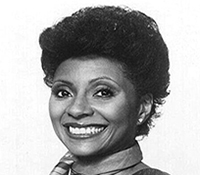
May 22 …
Bernard Shaw was a pioneering broadcast journalist whose calm authority and unwavering commitment to factual reporting helped define the modern era of 24-hour television news in the United States.
Born on May 22, 1940 in Chicago and raised in Washington, DC, Shaw developed a passion for journalism early on while delivering newspapers and tuning into radio broadcasts. He pursued his studies at the University of Illinois at Chicago before enlisting in the U.S. Marine Corps, an experience that honed his discipline and composure in high-pressure situations.
Inspired by pioneering figures like Edward R. Murrow, Shaw entered the news industry with a mission to infuse clarity, dignity, and integrity into an evolving media landscape. Starting his career in local radio and television, he made his way to national platforms such as CBS News and ABC News, where he covered significant events and established a reputation for incisive reporting.
In 1980, he took a bold step by becoming the principal anchor for the newly launched CNN, embracing the challenge of joining an untested cable network. This decision marked a historic turning point.
Shaw emerged as the face of CNN’s credibility in straight news and helped to legitimize cable news as a vital force in American journalism. His steady presence during presidential elections, political conventions, and international crises solidified his status as one of the most trusted voices in broadcast news during the late twentieth century.
Shaw’s defining moment arrived during the Persian Gulf War in 1991, when he reported live from Baghdad amidst falling bombs. Together with colleagues like Peter Arnett and John Holliman, he provided real-time coverage that brought the immediacy of modern warfare into homes around the globe.
His composed narration amid extraordinary danger not only elevated CNN’s international profile but also reshaped expectations for live reporting. This broadcast demonstrated the profound impact of television on public understanding of global events, marking a pivotal moment in media history and solidifying Shaw’s legacy as a courageous and composed journalist.
Throughout his esteemed career, Shaw interviewed presidents, challenged political leaders, and moderated debates with a balanced yet firm approach. Working alongside notable contemporaries such as Dan Rather, Tom Brokaw, and Peter Jennings, he forged a unique identity rooted in restraint and credibility rather than sensationalism.
As one of the first prominent African American network news anchors, Shaw broke racial barriers in broadcast journalism, advancing representation in a field traditionally dominated by white voices. His professionalism and visibility broadened cultural perceptions of authority and trust in American media, inspiring younger generations of journalists who recognized him as a model of excellence.
Shaw’s accomplishments garnered widespread recognition, including multiple Emmy Awards, Peabody Award, and lifetime achievement honors from journalism organizations. He was inducted into the Broadcasting & Cable Hall of Fame and received accolades for both his reporting and contributions to diversity in media.
After retiring from CNN in 2001, Shaw remained an influential voice in discussions about press freedom and journalistic standards.
Upon his passing in 2022, tributes to his life of Bernard Shaw highlighted not only his groundbreaking role in television news, but also his lasting contributions to American society and culture. And they recognized his steadfast commitment to truth-telling that shaped public discourse during some of the most consequential moments in modern history.
