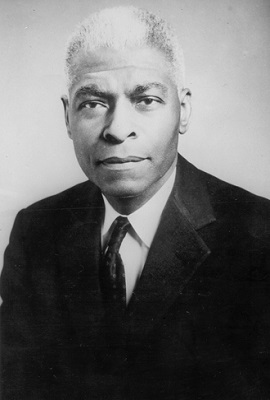
Benjamin Mays


August 1 …
Benjamin Mays was a transformative pastor, educator, and intellectual leader whose vision helped shape modern American education and the moral foundation of the Civil Rights Movement.
Born on August 1, 1894 in South Carolina and raised in the rural South under the shadow of segregation, the youngest of eight children. Both of his parents were born into slavery — his mother in Virginia and his father on South Carolina plantations. Both were freed in their later lives with the passage of the Emancipation Proclamation.
Mays developed an early determination to pursue education as a path to dignity and advancement. He attended Bates College and Virginia Union University, where he excelled academically. He later earned advanced degrees from University of Chicago and Harvard University. His academic training in sociology, religion, and ethics deeply informed his philosophy of education and leadership.
Mays is best known for his long tenure as the sixth president of Morehouse College from 1940 to 1967, where he elevated the institution’s academic standards and emphasized character, discipline, and social responsibility. He became a nationally respected voice on race, education, and democracy, delivering speeches and writings that influenced generations.
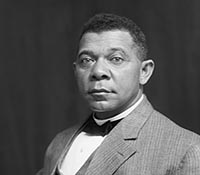
Mays was influenced by prominent thinkers such as Booker T. Washington and W.E.B. Du Bois, whose differing philosophies on Black advancement informed his own balanced approach to education and activism. His contemporaries included leaders like Howard Thurman and Ralph Bunche, who similarly bridged intellectual life and social change.
May taught and mentored many influential activists, including Julian Bond, Maynard Jackson, and Donn Clendenon, among others. Perhaps his most notable protégé was Martin Luther King Jr., whom he mentored at Morehouse and influenced profoundly in matters of ethics, leadership, and nonviolent resistance.
Mays received a multitude of honors. This included numerous honorary degrees and prestigious recognition, such as the Spingarn Medal, reflecting his profound impact on American intellectual and civic life.
Mays’s broader impact on American society and culture lies in his belief that education must cultivate both intellect and moral purpose. By shaping institutions and mentoring future leaders, he helped lay the intellectual groundwork for the Civil Rights Movement and expanded the role of higher education in promoting social justice.
The legacy of Benjamin Mays endures in the continued emphasis on education as a tool for equality, leadership, and transformative change in American history.