

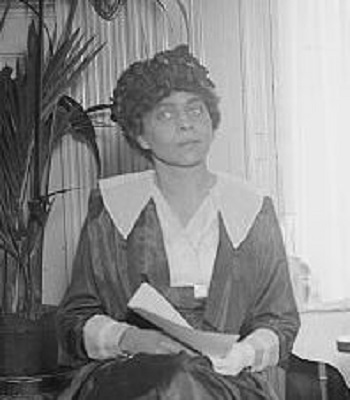
Belle da Costa Greene



November 26 …
Belle da Costa Greene was one of the most remarkable figures in early 20th-century American cultural history, known for her extraordinary contributions to literature, education, business, and archival preservation.
As the personal librarian and later the director of the Pierpont Morgan Library in New York City, Greene became one of the most powerful women in the rare book world — a domain traditionally dominated by wealthy, white men. Her keen intellect, charismatic presence, and shrewd negotiating skills helped shape one of the most prestigious collections of rare books and manuscripts in the world.
Born Belle Marion Greener on November 26, 1879, she changed her name to Belle da Costa Greene to pass as white in an era when racial prejudice severely limited professional opportunities for African Americans.
The daughter of Richard Theodore Greener, the first Black graduate of Harvard and a prominent educator and diplomat, Belle chose a different path — one that involved carefully guarding her racial identity in order to access the elite spheres of art and antiquarian scholarship. This decision, while complex and fraught, allowed her to rise to unprecedented heights in the literary and business worlds.
Greene’s literary and archival achievements were monumental. She was instrumental in acquiring and organizing rare manuscripts, early printed books, and artworks for J.P. Morgan, helping to transform his private holdings into a world-class public institution. She traveled extensively throughout Europe, purchasing invaluable items and forging relationships with key figures in the rare book trade.
Her acquisitions included original works by authors such as Dante, Gutenberg, and Cervantes — treasures that would become foundational to American literary heritage. Greene’s aesthetic judgment and scholarly acumen earned her the trust of Morgan and later, his son, and ultimately solidified her leadership of the library after Morgan’s death.
In the realm of education, Greene’s work significantly enhanced public access to knowledge and historical texts. Under her stewardship, the Morgan Library shifted from a private collection to a resource open to researchers and scholars, democratizing access to cultural and literary artifacts.
Green’s curatorial decisions shaped the study of medieval literature, Renaissance humanism, and early printing, influencing generations of students and academics. Her work also advanced the visibility of librarianship as an intellectually rigorous and strategically significant profession.
In business, Greene demonstrated mastery not only in scholarship but also in negotiation and finance. She was known for driving hard bargains with European dealers, often securing rare items at favorable prices, and she cultivated a network of contacts that positioned the Morgan Library as a formidable force in the global rare book market. At a time when few women held leadership roles, especially in financial and cultural institutions, Greene’s command over multi-million dollar transactions and institutional strategy was nothing short of revolutionary.
Greene’s life is a study in contrasts — secrecy and fame, erasure and power, constraint and triumph. She navigated racial and gender boundaries with remarkable effectiveness, though at a personal cost. Her story has only recently received broader recognition, shedding light on how a woman of color, operating behind a constructed identity, helped shape some of America’s most treasured literary and historical assets.
Through her work, Belle da Costa Greene redefined the possibilities of what a woman — and a person of hidden Black heritage — could achieve in the highest echelons of American intellectual and business life.
