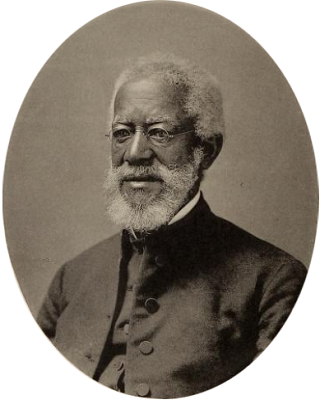
Alexander Crummell



March 3 …
Alexander Crummell was a pioneering African American intellectual, Episcopal minister, educator, and abolitionist whose scholarship and activism bridged faith, social justice, and Pan-African thought, shaping the struggle for civil rights and the cultural identity of African Americans during the nineteenth century.
Through his preaching, writing, and organizational efforts, Crummell aimed to promote education, moral uplift, and global awareness of African heritage as fundamental to Black empowerment.
Born on March 3, 1819 in New York City, Crummell was raised in a free Black family during a time marked by systemic discrimination and limited opportunities for African Americans. Despite these challenges, he excelled academically and pursued theological studies, eventually attending the Episcopal Theological School in Cambridge, Massachusetts.
Influenced by mentors like Bishop John Henry Hobart and other progressive clergymen, Crummell’s worldview was further shaped by the writings and speeches of Frederick Douglass and William Lloyd Garrison, establishing his commitment to abolitionism and social justice. These formative experiences instilled in him a dedication to education, moral integrity, and the advancement of African Americans in both spiritual and civic domains.
Crummell’s career was distinguished by significant achievements in ministry, education, and activism. Ordained as an Episcopal priest in 1843, he served Black congregations in New York and Washington, DC, utilizing the pulpit to advocate for civil rights, literacy, and economic self-sufficiency. He delivered lectures on African American history, education, and culture, championing the belief that pride in African heritage was crucial for social and political progress.
A prominent supporter of Pan-Africanism and the back-to-Africa movement, Crummell collaborated with contemporaries such as Martin Delany, Henry Highland Garnet, and Edward Wilmot Blyden to promote global awareness of African civilization and self-determination for Black people. He nurtured young leaders and clergy as protégés, fostering a network of activists and intellectuals dedicated to racial uplift. Throughout his life, he garnered respect for his moral authority and scholarly insight.
In 1911, Crummell co-founded the Negro Society for Historical Research with John Edward Bruce, Arturo Alfonso Schomburg, and other African American intellectuals and historians. Their goal was aimed at challenging the prevailing misconceptions and neglect of Black history.
Although formal recognition for African Americans was scarce during his time, Crummell received accolades from both American and European intellectuals for his contributions to theology, education, and social advocacy. His writings, sermons, and lectures impacted subsequent generations of African American leaders and scholars, solidifying a legacy that emphasized the significance of intellectual rigor, spiritual guidance, and political activism in the pursuit of equality.
The life of Alexander Crummell exemplifies the intertwined nature of faith, education, and social justice, illustrating how one individual’s vision can influence the course of American culture and the struggle for civil rights.