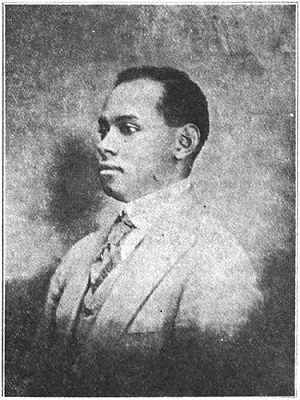
Chandler Owen


April 5 …
Chandler Owen was a journalist, editor, and activist whose co-founding of The Messenger magazine and early advocacy for Black labor organizing helped shape radical Black journalism and the intellectual currents of the Harlem Renaissance era.
Born on April 5, 1889 in Warrenton, NC and raised in Baltimore, Owen left college to immerse himself in the politically charged radical circles of New York. He joined the Socialist Party alongside A. Philip Randolph, quickly establishing himself as an impassioned street-corner orator.
Owen’s hands-on experience in union and labor journalism began as co-editor of the Hotel Messenger, before he collaborated with Randolph to launch The Messenger in 1917. This publication was dedicated to promoting socialist ideals and organizing Black labor.
As co-founder and co-editor of The Messenger, Owen employed journalism as a tool to champion trade unionism, advocate for workers’ rights, and challenge the prevailing Black leadership. The magazine offered a mixture of political analysis, investigations into corruption, and cultural commentary, enriching national conversations about race and labor. It also served as a platform for voices that would shape the Harlem Renaissance, though its editorial direction shifted in the 1920s in response to federal repression and changing priorities.
Owen worked alongside prominent figures, including A. Philip Randolph, his lifelong ally in activism, engaging with contributors such as W.E.B. Du Bois (whom Owen and Randolph often critiqued) and Marcus Garvey (who faced the magazine’s criticism). He collaborated with later editorial figures like George Schuyler and interacted with celebrated writers of the era, including Langston Hughes, Zora Neale Hurston, and Claude McKay.
Owens’s influence is evident in the careers of labor organizers and Black journalists who adopted The Messenger’s militant stance, though specific apprentices are not often highlighted.
The Messenger magazine garnered significant recognition during its run, being categorized by the Justice Department as one of the most influential radical Black publications. It played a vital role in fostering Black labor organization and raising political consciousness, contributing to broader national discussions about race and class.
Although Chandler Owen may not have been the recipient of numerous formal civic awards, his legacy endures in the narratives of the Black press, the labor movement, and the political and literary landscape of early 20th-century African Americans.