NACGN
August …
The National Association of Colored Graduate Nurses (NACGN) was a groundbreaking professional organization that reshaped American healthcare and civil rights history by advocating for the inclusion, advancement, and recognition of African American nurses in a segregated medical system.
Established in August 1908 — the exact date is unknown — the association emerged after years of exclusion from white-dominated nursing organizations such as the American Nurses Association. Martha Minerva Franklin, a nurse trained in Connecticut, spearheaded the movement by reaching out to Black graduate nurses nationwide, inviting them to convene in New York City to discuss forming a national organization.
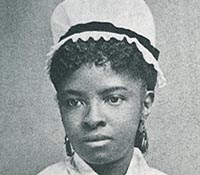
With the support of trailblazing nurses like Mary Eliza Mahoney (the first professionally trained African American nurse in the United States) and Adah Belle Thoms from Lincoln Hospital, the organization was formally established. Mahoney became a symbolic founding figure, while Franklin was elected as the first president. It was born from a broader context of racial segregation in healthcare, where Black nurses faced barriers to membership in professional associations, denied hospital privileges, and exclusion from leadership roles.
For over 40 years, the organization was at the forefront of the fight against racial discrimination in nursing education, employment, and military service, enhancing both the nursing profession and the broader pursuit of equality in American society. Its initiatives not only broadened opportunities for Black nurses but also improved standards of patient care and professional leadership, leaving a lasting impact on healthcare, culture, and institutional reform.
The organization’s mission was anchored in the ideals of professional excellence and racial justice. It aimed to elevate educational standards, create networking opportunities, and advocate for equal access to employment within public health agencies, hospitals, and the military.
Inspired by the nursing reform movements led by figures like Isabel Hampton Robb and Lavinia Dock, as well as the burgeoning civil rights activism of the early 20th century, the organization framed its efforts as both a professional necessity and a moral obligation.
During both World War I and World War II, leaders such as Mabel Keaton Staupers and Estelle Massey Osborne worked relentlessly to eliminate racial quotas that limited Black nurses’ service in the U.S. Army Nurse Corps. Their advocacy was instrumental in the eventual desegregation of military nursing, marking a significant victory for both healthcare equity and civil rights.
The organization significantly influenced professional communication and readership within the Black nursing community. Through newsletters, conference proceedings, and historical publications like Adah Belle Thoms’s Pathfinders: A History of the Progress of Colored Graduate Nurses, the organization showcased the accomplishments of African American nurses and nurtured a collective identity and purpose.
Its annual conventions acted as intellectual and cultural hubs where members shared research, addressed public health issues, and strategized against discrimination. The association drew members from across the United States, including nurses from segregated Southern hospitals, urban public health systems, and educational institutions, thereby establishing a national network of leadership and mentorship.
In 1951, after decades of advocacy, the organization achieved a pivotal goal with its merger into the American Nurses Association, marking a significant milestone in the integration of the nursing profession. Although the organization dissolved with this merger, its legacy persisted through the increased representation of African American nurses in mainstream professional organizations.
Leaders associated with the NACGN later received notable accolades, including induction into the American Nurses Association Hall of Fame and national civil rights awards, such as the NAACP Spingarn Medal awarded to Mabel Keaton Staupers.
Today, the National Association of Colored Graduate Nurses is remembered as a transformative force in American healthcare and society — an organization that skillfully merged professional rigor with social activism to promote equality, enhance nursing practice, and influence the course of American medical and cultural history.