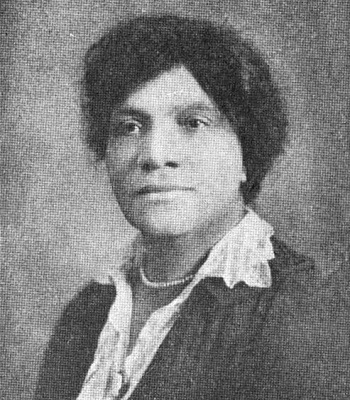
Adah Belle Thoms

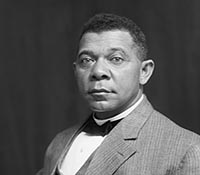
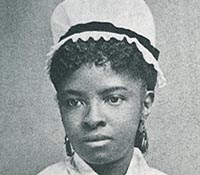
January 12 …
Adah Belle Thoms was a distinguished nurse, educator, administrator, and civil rights advocate whose leadership expanded professional opportunities for African American nurses and strengthened the foundation of modern American healthcare.
Born in January 12, 1870 in Richmond, VA during the Reconstruction era, Thoms emerged in a nation still wrestling with the remnants of slavery and segregation. Driven by a desire for a professional career, she enrolled in the nursing program at Lincoln Hospital and Home School of Nursing in New York City, one of the few institutions that offered formal training for Black women. Graduating in 1905, Thoms later pursued advanced coursework at Teachers College, Columbia University, underscoring her commitment to both clinical excellence and education.
Thoms swiftly gained recognition at Lincoln Hospital, where she ascended to the role of assistant superintendent of nurses, significantly influencing nursing education and hospital management. Under the mentorship of Dr. Louis T. Wright and in collaboration with fellow Black medical professionals dedicated to enhancing healthcare access in Harlem, she was instrumental in elevating training standards and patient care quality during a pivotal period in the field’s evolution.
Inspired by the broader nursing reform movement championed by figures like Isabel Hampton Robb and Lavinia Dock, Thoms advocated for equal access to professional recognition and leadership for African American nurses. Her dedication to discipline, scholarship, and organizational acumen established her as a respected authority in nursing.
Aware of the barriers that prevented Black nurses from joining mainstream professional associations, Thoms emerged as a prominent advocate for collective action. She collaborated closely with Martha Minerva Franklin and Mary Eliza Mahoney in founding the National Association of Colored Graduate Nurses (NACGN), where she served as an officer and ultimately as president. Through the NACGN, Thoms championed higher educational standards, equitable employment, and the integration of Black nurses into the American Nurses Association.
During World War I, Thoms played a vital role in advocating for the inclusion of African American nurses in the U.S. Army Nurse Corps, confronting discriminatory policies that initially excluded them. Her relentless efforts contributed to the eventual acceptance of Black nurses into military service, marking a significant stride toward professional equality.
Beyond her organizational leadership, Thoms was also a writer and historian of her profession. She authored Pathfinders: A History of the Progress of Colored Graduate Nurses, one of the earliest comprehensive accounts chronicling the achievements and challenges faced by Black nurses in America. This work preserved essential historical records and celebrated the accomplishments of her peers during a time when their contributions were frequently overlooked.
Among her contemporaries were nursing leaders like Estelle Massey Osborne and Mabel Keaton Staupers, who continued to advocate for integration and civil rights in healthcare. Together, these women forged a network of reformers whose collective efforts reshaped American nursing and broadened its cultural and social impact.
Thoms received recognition for her lifelong contributions, earning honors from nursing organizations that celebrated her leadership and scholarly work. In recognition of her lasting influence, she was later inducted into the American Nurses Association Hall of Fame. The 1951 merger of the NACGN with the American Nurses Association, occurring shortly before her death in 1943, reflected the groundwork she and her colleagues had laid over decades.
The life of Adah Belle Thoms is a testament to perseverance, academic rigor, and collective advocacy. Through her dedication to education, activism, and historical documentation, she played a crucial role in transforming American healthcare into a more inclusive profession, securing her legacy as a pivotal figure in both medical and cultural history.