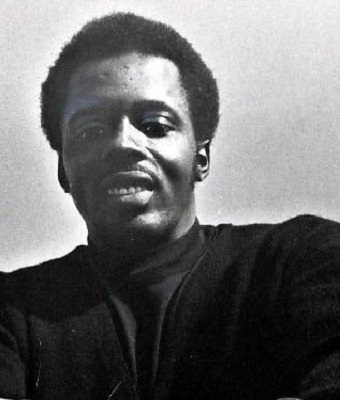
Deacon Jones


December 9
Deacon Jones is regarded as one of the most influential figures in the history of American football, a player whose impact transcended mere statistics and trophies.
Born David Jones in the town of Eatonville in Florida on December 9, 1938, he overcame a modest upbringing to become a pivotal force in the National Football League during its early years as a major American sport.
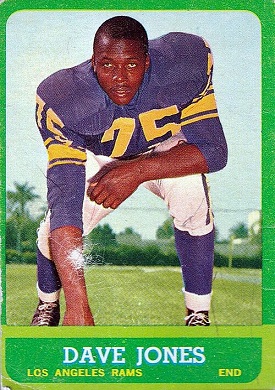
1963 Topps trading card of Deacon Jones while he played on the Los Angeles Rams squad.
Considered one of the greatest defensive players ever, Jones — nicknamed the “Secretary of Defense” — is best known for redefining the role of the defensive end and for coining the term “quarterback sack,” which has since become a staple of football vernacular. Long before sacks were officially tracked, Jones made them a focal point in the understanding of defensive excellence by fans and players alike.
His fierce playing style and relentless pursuit of quarterbacks forced offenses to adapt, prompting teams to rethink their blocking and passing strategies. In doing so, he shifted the sport’s balance, demonstrating that defense could be just as marketable and thrilling as offense.
Culturally, Deacon Jones emerged as a symbol of confidence and self-assertion during a time of significant social change in the United States. As a Black athlete during the civil rights movement, he carried himself with unyielding pride and openly discussed themes of respect, identity, and professionalism. His nickname, “Deacon,” was a statement of dignity, chosen to command respect in a league and society where African American athletes often faced underestimation or marginalization. Through his demeanor and achievements, Jones broke stereotypes and paved the way for future generations of players to assert their voices both on and off the field.
The influence of Deacon Jones extended into the business and media realms of sports as well. His charismatic personality made him a natural choice for television appearances, commercials, and post-retirement commentary, helping to normalize the notion of athletes as public intellectuals and cultural icons. He recognized the power of image and narrative, using his platform to advocate for player recognition and fair treatment long before these discussions became mainstream. Thus, he played a significant role in shaping the evolving relationship between athletes, the media, and the general public.
Historically, Deacon Jones holds a vital position in the narrative of American sports as a pioneer who helped mold the modern NFL. His legacy lives on not only in Hall of Fame accolades and lasting highlights but also in the language, strategies, and attitudes that characterize football today.
By elevating the role of defense, asserting cultural pride, and demanding respect for players as professionals, Deacon Jones left a lasting mark that continues to shape how the sport is played, discussed, and understood in American culture.