
February 7 …
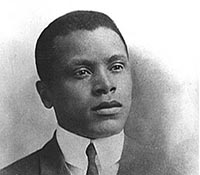
Eubie Blake was one of the most influential figures in American music, bridging ragtime, jazz, and Broadway with his remarkable talent as a pianist and composer.
Born James Hubert Blake on February 7, 1887 in Baltimore, MD, Blake displayed a natural gift for music from an early age, often performing on the piano in local churches and community events. Growing up in a segregated America, he faced societal limitations but was driven by an unyielding passion for his art, honing his skills and absorbing the diverse musical styles that would later define his distinctive sound.
Blake’s early career was marked by performances in Baltimore and the surrounding region, where he became known for his virtuosity and improvisational ability. In 1912, he formed a vaudeville duo with his longtime collaborator Noble Sissle, and the pair began touring extensively, bringing African American music to broader audiences. Their work helped elevate the status of Black musicians in an era when opportunities were limited, blending entertainment with a quiet defiance of racial barriers. This partnership would later become central to some of Blake’s most enduring contributions to American music.
In 1921, Blake and Sissle made history with the Broadway musical Shuffle Along, which became the first major production written, produced, and performed by African Americans to achieve widespread acclaim. The show introduced hit songs like “I’m Just Wild About Harry” and helped launch a wave of interest in Black musical theater. Beyond its artistic achievements, Shuffle Along had profound cultural significance, challenging the norms of the time and opening doors for future generations of African American performers and composers. Blake’s innovative compositions in the musical combined syncopated rhythms, melodic sophistication, and vibrant energy, influencing both jazz and popular music for decades to come.
In the following short — an early sound film premiered at the Rivoli Theater in New York City on April 15, 1923 — Blake and Noble Sissle perform some popular songs of the time including, Sons of Old Black Joe, My Swanee Home, Affectionate Dan, and All God’s Chillun.
Blake’s career spanned nearly a century, during which he composed hundreds of songs and continued to perform into his later years, delighting audiences with his dynamic piano playing. His music incorporated ragtime’s lively syncopation, jazz’s improvisational flair, and the elegance of Broadway, creating a unique voice that bridged multiple American musical traditions. He collaborated with numerous performers and mentored younger musicians, ensuring that his influence extended well beyond his own compositions.
Recognition for Blake’s contributions grew steadily over time. He received the American Academy of Arts and Letters’ Lifetime Achievement Award and was honored with a Grammy Lifetime Achievement Award in 1974.
In 1981, at the age of 94, Blake was awarded the Presidential Medal of Freedom by President Ronald Reagan. That same year he received a star on the Hollywood Walk of Fame, cementing his legacy as a pioneering figure in American music. His longevity and continued creative output made him a living connection to the early days of ragtime and jazz, offering a window into the evolution of American music across the 20th century.
The life and work of Eubie Blake exemplify the power of music to transcend social barriers and shape cultural history. As a composer, pianist, and trailblazer for African American performers, he helped redefine the possibilities of American musical theater and popular music. His legacy continues to inspire musicians and audiences alike, reminding the world of the enduring impact of talent, innovation, and perseverance in the face of adversity.
Eubie Blake passed away on February 12, 1983, leaving behind a rich and enduring body of work that remains a cornerstone of American music history.