

July 25 …
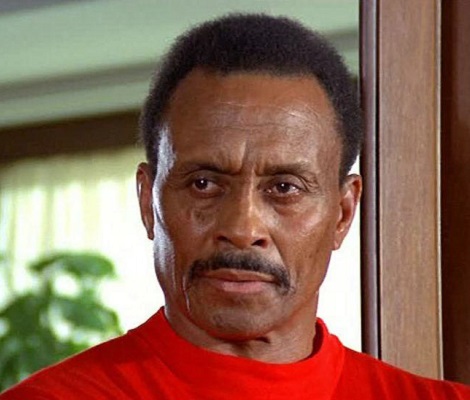
Woody Strode was a pioneering African American actor and athlete whose career helped reshape representations of race and dignity in American film and popular culture.
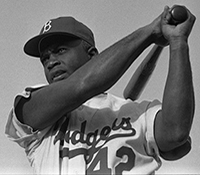
Born Woodrow Wilson Woolwine Strode in Los Angeles on July 25, 1914, he was raised in a racially diverse environment influenced by his African American and Native American heritage. He attended Thomas Jefferson High School before going on to the University of California, Los Angeles, where he excelled in history and education, while also shining as a multi-sport athlete. At UCLA, he played football with notable players such as Jackie Robinson and Kenny Washington, becoming part of a pioneering group of Black athletes.
After serving in World War II with the U.S. Army Air Corps, Strode made history as one of the first African Americans to rejoin the National Football League when he signed with the Los Angeles Rams in 1946. The discipline and resilience instilled during his early life and education would later guide his acting career, particularly as he faced racial challenges in Hollywood.
Strode transitioned to acting in the 1940s and became closely associated with director John Ford, who cast him in several films that helped elevate his career. Notable among his influential performances were his role as the gladiator Draba in Stanley Kubrick’s Spartacus and as a Black cavalry officer confronting racism in Sergeant Rutledge.
He also appeared in major films like The Ten Commandments, The Man Who Shot Liberty Valance, and Once Upon a Time in the West, sharing the screen with figures like Kirk Douglas and John Wayne. His commanding screen presence and quiet intensity challenged the stereotypical portrayals of Black characters, while collaborators like Ford and producers such as Walter Mirisch significantly shaped his career opportunities.
Throughout his career, Strode impacted both the film industry and American culture by embodying strength, dignity, and complexity in roles that often defied the constraints placed on Black actors during his time. He received a Golden Globe nomination for Best Supporting Actor for his performance in Spartacus. His accolades included induction into the Black Filmmakers Hall of Fame in 1980 and the Hall of Great Westerners at the National Cowboy & Western Heritage Museum in 2021.
Strode’s work resonated with a diverse array of audiences — filmgoers, scholars, and aspiring performers — helping to pave the way for future generations, including his son Kalai Strode, who pursued a career in film and television.
By maintaining a steady presence across film, television, and international productions, Woody Strode contributed to the gradual redefinition of representation in entertainment, leaving a lasting mark on American social history and cultural memory.
