
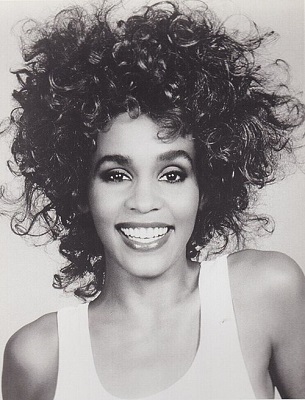
Whitney Houston


August 9 …
Whitney Houston was one of the most iconic voices in American music, whose career spanned decades and left an indelible mark on pop, R&B, and gospel music, as well as on the broader culture of entertainment worldwide. Often called “the Voice,” she stands out as one of the most decorated performers in history.
Renowned for her exceptional vocal range, technical skill, and emotive performances, Houston emerged as a pivotal figure in the music scenes of the 1980s and 1990s. She shattered records, blurred genre lines, and inspired countless generations of singers. Beyond her musical achievements, Houston made a significant impact in film, philanthropy, and the global perception of African American artistry within mainstream culture.
Born on August 9, 1963 in Newark, NJ, Houston was steeped in music from a young age, being the daughter of gospel singer Cissy Houston and a cousin to Dionne Warwick. Her mother’s influence and her upbringing in a church environment provided her with foundational training and a profound appreciation for soulful, emotionally resonant music.
Houston attended Mount Saint Dominic Academy, where her vocal talent was recognized early on. She later performed at church and in local clubs, and worked as a backup singer for prominent artists like Chaka Khan and Lou Rawls. This early experience honed her stage presence, vocal discipline, and professionalism, which would characterize her career.
Houston’s breakout moment arrived in the mid-1980s with her self-titled debut album Whitney in 1985, which quickly established her as a powerhouse in pop and R&B music. The album featured several chart-topping hits, highlighting her extraordinary vocal capabilities and her ability to express both strength and vulnerability. Her subsequent albums, including I’m Your Baby Tonight, solidified her position as an international icon.
Houston also made significant strides in film, particularly with The Bodyguard in 1992, whose theme song became one of the best-selling singles ever. She masterfully blended pop sensibilities with gospel and soul, pushing the boundaries of contemporary music.
Influenced by legendary artists such as Aretha Franklin, Sarah Vaughan, and Barbra Streisand, Houston also drew inspiration from contemporary R&B and pop icons like Michael Jackson and Prince. With guidance from mentors like Clive Davis, who recognized her immense potential, she shaped her sound and public persona.
Houston shared the stage with contemporaries like Mariah Carey, Janet Jackson, and Paula Abdul during a transformative time in pop and R&B history. Her impact extended to future generations of singers, including Beyoncé, Jennifer Hudson, and Ariana Grande, all of whom cite her vocal excellence as a significant influence.
In addition to her musical legacy, Houston profoundly transformed cultural perceptions, breaking barriers for African American artists in mainstream entertainment and enhancing the visibility of Black female performers worldwide. She became a fashion and style icon, gracing the covers of numerous magazines and earning acclaim for her ability to infuse emotional depth into her recordings and live performances.
Her philanthropic endeavors included work with children’s charities, AIDS research, and educational initiatives, reflecting her commitment to leveraging her platform for societal benefit. Her personal struggles and triumphs, particularly with fame and public scrutiny, also sparked important conversations around celebrity, mental health, and resilience.
Houston’s remarkable achievements garnered her numerous awards and accolades, including multiple Grammy Awards, American Music Awards, Billboard Music Awards, and a prestigious spot in the Rock and Roll Hall of Fame. She set several records, such as being the first female artist to achieve seven consecutive number-one singles on the Billboard Hot 100.
Celebrated globally, her contributions to film and music continue to inspire artists across genres.
The legacy of Whitney Houston is defined not just by her extraordinary talent, but also by the opportunities she forged for future generations of performers, her lasting impact on American music, and her status as a cultural icon whose artistry transcends time and resonates worldwide.