
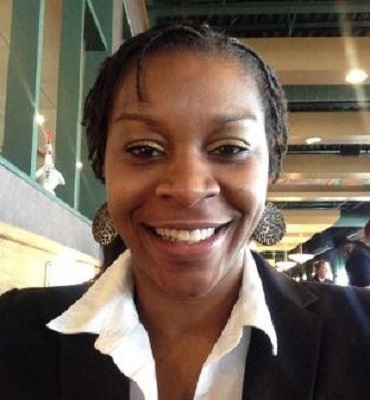
Sandra Bland

February 7 …
The life and death of Sandra Bland became a significant point of focus in national conversations about policing, incarceration, and racial justice in the United States.
Bland was born on February 7, 1987 in Naperville, IL and raised in a family that valued education, independence, and civic awareness. She grew up in the Chicago metropolitan area alongside multiple siblings, cultivating a strong sense of identity and an outspoken nature that would later characterize her public voice. She was described by friends and family as articulate, socially aware, and fearless when confronting injustice — qualities that significantly influenced her personal relationships and shaped her worldview.
Bland attended Prairie View A&M University, where she pursued a degree in agriculture and actively participated in campus life. During her time there, she became involved in student leadership and advocacy, honing her skills in communication and public engagement. After graduation, she held various roles, particularly in community outreach, leveraging social media to address pressing issues such as racial inequality, police encounters, and Black identity in America.
Bland’s accomplishments were deeply rooted in her willingness to speak boldly about systemic issues. Through her videos and commentary, she contributed to a burgeoning digital dialogue on social justice, helping to normalize open discussions about race and state power.
While Bland may not have been a nationally recognized figure during her lifetime, her communication style and advocacy were reflective of a broader shift towards grassroots, online-led activism that would later become vital to movements for change.
On July 10, 2015, Bland was stopped by a Texas State Trooper in Prairie View, TX for failing to signal a lane change. The encounter escalated, resulting in her arrest on charges of assaulting a public servant.
Three days later — on July 13, 2015 — Bland was found dead in her jail cell at Waller County Jail. Authorities ruled her death a suicide, but this conclusion was met with widespread skepticism.
Bland’s death profoundly affected her family and close friends, who sought answers and accountability, fueling national protests and discussions on jail conditions, mental health, and police conduct. There were numerous protests and calls for investigation by family, friends, and others, including Rep. Sheila Jackson Lee.
The case of Sandra Bland emerged as a powerful symbol within the Black Lives Matter movement, ushering in reforms such as the Texas Senate Bill 1849 — also known as the “Sandra Bland Act” — and leaving a lasting impact on American society, culture, and the ongoing struggle for civil rights.