
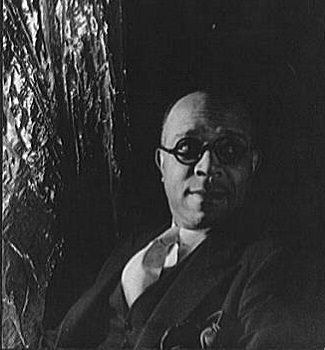
J. Rosamond Johnson

August 11
John Rosamond Johnson, known as J. Rosamond Johnson, was a pivotal figure in American music whose work transcended genres and barriers during the late 19th and early 20th centuries.
Born on August 11, 1873 in Jacksonville, FL, he grew up in a musically gifted family that valued education and artistic expression. From an early age, Johnson exhibited exceptional talent as a pianist and composer, ultimately studying music at the New England Conservatory of Music and further refining his craft in London. His dedication to both classical technique and African American musical traditions enabled him to bridge the worlds of Black folk music and formal composition with remarkable finesse.
Johnson’s most enduring contribution to American history came through his collaboration with his older brother, James Weldon Johnson. In 1900, J. Rosamond composed the music for “Lift Every Voice and Sing,” a poem written by James to honor Abraham Lincoln’s birthday. The song quickly resonated with African American communities and evolved into a powerful anthem of hope, resilience, and unity. Often called the “Black National Anthem,” the song remains a vital cultural touchstone and is regularly performed at events commemorating Black history and civil rights.
In addition to his work as a composer, Johnson achieved success on Broadway and in the world of popular music. Alongside his brother and collaborator Bob Cole, he co-wrote and performed in a number of successful musical comedies, including The Shoo-Fly Regiment and The Red Moon, during a time when African Americans were rarely granted the opportunity to shape mainstream theatrical productions. These shows not only featured Black performers but also portrayed African Americans in dignified and complex roles, defying the stereotypes that dominated the entertainment industry of the era.
Johnson’s influence also extended into preserving and elevating African American folk music. He arranged and published several important collections of spirituals and traditional songs, helping to safeguard the cultural legacy of formerly enslaved peoples. His arrangements brought sophistication and respect to music that had long been marginalized, allowing it to be appreciated by broader audiences in concert halls and schools. By presenting these songs with classical polish, Johnson challenged prevailing prejudices and affirmed the artistic value of Black musical traditions.
Beyond his artistic achievements, J. Rosamond Johnson was a dedicated educator and advocate for African American representation in the arts. He worked as a music teacher and choral director, mentoring young artists and promoting music as a means of uplift and empowerment. His involvement in early 20th-century Black artistic movements laid the groundwork for the Harlem Renaissance, and he remained a steadfast supporter of cultural advancement throughout his career.
Johnson died on November 11, 1954, but left behind a rich legacy that shaped the course of American music and civil society. His contributions helped redefine how African American art was created, performed, and understood.
Through his compositions, performances, and educational efforts, J. Rosamond Johnson not only enriched the nation’s musical canon but also played a crucial role in asserting the dignity and humanity of Black Americans in a segregated society. His life stands as a testament to the enduring power of art to influence culture and inspire change.
