

January 10 …
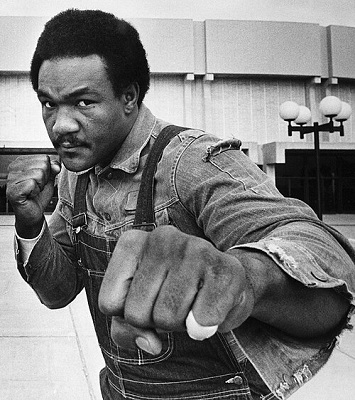
George Foreman is a towering figure in American sports and culture, known not only for his achievements in the boxing ring but also for his remarkable second act as an entrepreneur and public personality.
Born on January 10, 1949 in Marshall, TX, Foreman grew up in a tough neighborhood and had a troubled youth before finding direction through the Job Corps, where he was encouraged to take up boxing. His natural talent and raw power quickly became evident, and by the late 1960s, Foreman was on a meteoric rise in the heavyweight boxing scene.
Foreman’s first major claim to fame came in 1968 when he won a gold medal for the United States at the Mexico City Olympics. That victory launched his professional career, and by 1973 he had defeated Joe Frazier in a stunning upset to become the heavyweight champion of the world.
Foreman’s dominance in the ring was characterized by his brutal punching power, which earned him a reputation as one of the most feared fighters of his era. His early career record was nearly flawless, with many of his bouts ending in quick knockouts.
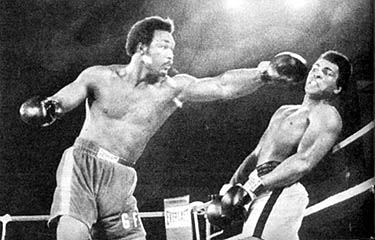
Muhammad Ali doing the “rope-a-dope” to avoid Foreman’s formidable power.
After nearly a decade away from the ring, Foreman staged an unprecedented comeback in the late 1980s and early 1990s. Older, heavier, and seemingly past his prime, he surprised the world by becoming a top contender again.
In 1994, at the age of 45, he reclaimed the heavyweight title by knocking out Michael Moorer, making him the oldest heavyweight champion in boxing history. This extraordinary achievement cemented Foreman’s status not just as a sports legend, but as a symbol of perseverance and reinvention.
Outside of boxing, Foreman became an icon in American business and pop culture. Capitalizing on his renewed popularity and affable persona, he launched the George Foreman Grill in the mid-1990s.
The product became a massive commercial success, selling over 100 million units and earning Foreman hundreds of millions of dollars. His name became synonymous with the grill, transforming him into one of the most financially successful athletes-turned-entrepreneurs in history.
Foreman also became a cultural figure admired for his charisma, humility, and faith. He embraced his role as a public speaker, television personality, and minister, often discussing the role of religion and second chances in his life.
Foreman’s transformation from a fearsome young boxer to a smiling, grill-peddling family man showcased the depth of his personal journey. He inspired millions not just with his fists, but with his ability to change and grow, illustrating the enduring American belief in redemption.
Through his achievements in sports, business, and public life, Foreman has left a lasting mark on American history. He redefined what it means to have a second act and showed that greatness can come not only from victory, but from resilience, adaptation, and integrity.
The legacy of George Foreman extends beyond championships and endorsements. It lies in his ability to embody both toughness and transformation, making him one of the most unique and enduring figures in modern American culture.