
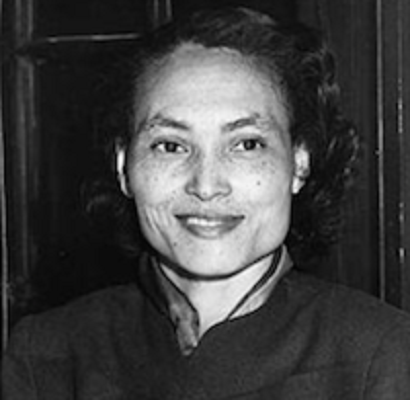
Annie McPheeters


February 22 …
Annie Lou McPheeters was a pioneering librarian, educator, and civil rights advocate whose work profoundly influenced library services and educational access for African Americans in the 20th century.
Born in Rome, GA in 1908 during the Jim Crow era, McPheeters overcame the barriers of racial segregation to become one of the first Black librarians in the South. Her commitment to literacy, equity, and civic engagement helped transform public libraries into vital community centers for African Americans during a time of widespread exclusion and inequality.
McPheeters earned her undergraduate degree from Clark College (now Clark Atlanta University) and went on to receive a master’s degree in library science from the University of Illinois — an extraordinary achievement for an African American woman in the 1930s. Her academic accomplishments were not just personal milestones; they symbolized a challenge to the pervasive belief that African Americans did not need or deserve the same level of access to information and educational resources as white citizens. McPheeters firmly believed that access to knowledge was a cornerstone of freedom and empowerment.
In the 1930s and 1940s, McPheeters became the first African American professional librarian to work in the Atlanta Public Library system. There, she was instrumental in establishing and expanding library services for the city’s Black residents, who were barred from accessing the main libraries. She oversaw segregated branches and developed programs that encouraged literacy, cultural awareness, and civic responsibility.
One of her most notable achievements was founding a Negro History Collection, which preserved important documents, books, and materials about African American life and achievements — many of which were ignored or omitted from mainstream archives.
McPheeters also had a significant impact on civic education. During the height of the civil rights movement, she organized and led voter education programs and public forums in library spaces. At a time when Black voters were routinely disenfranchised, her efforts to promote political literacy were both bold and essential. By helping people understand their rights and the democratic process, McPheeters turned libraries into arenas for social change. Her work bridged the gap between literacy and activism, empowering communities with the tools they needed to advocate for themselves.
Later in her career, McPheeters became a faculty member at the School of Library Science at Atlanta University, where she trained future generations of librarians — many of whom would go on to serve in communities across the country. Her role as an educator helped institutionalize a commitment to diversity and inclusion within the field of library science.
McPheeters was also an active member of professional organizations and contributed to national conversations about racial equity in public institutions. Through her scholarship and mentorship, she helped reshape the professional landscape for Black librarians.
Annie McPheeters’s legacy is both profound and enduring. At a time when information was powerfully guarded by racial barriers, she dedicated her life to opening doors and building bridges. Her belief in the transformative power of libraries made her a quiet but formidable force in the long struggle for civil rights and educational justice.
Today, the contributions of Annie McPheeters continue to inspire librarians, educators, and activists who believe in the right of all people to read, learn, and participate fully in society.