Countee Cullen
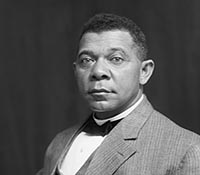


May 30 …
Countee Cullen was a prominent poet, writer, and educator whose work became a cornerstone of the Harlem Renaissance and left an enduring imprint on American literature.
Born on May 30, 1903, possibly in Baltimore, MD or Louisville, KY, Cullen was raised in New York City and adopted by Reverend Frederick Asbury Cullen, a minister and influential figure in Harlem’s African American community. His early exposure to classical literature and religious themes shaped his poetic voice, which blended traditional European literary forms with a deep exploration of racial identity, beauty, and human struggle. From an early age, he stood out for his refined style and intellectual depth.
Cullen’s literary rise began in earnest during his college years at New York University, where he won numerous awards for his poetry. He later earned a master’s degree from Harvard, further grounding his work in formalist traditions.
Cullen’s first collection, Color, in 1925 garnered critical acclaim and introduced readers to a voice that could confront racial injustice while expressing a longing for universal understanding. Unlike many of his contemporaries, he often preferred to address race subtly, using metaphor and lyrical imagery rather than overt protest. This approach sparked both admiration and debate within the Harlem Renaissance, as he walked a delicate line between aestheticism and advocacy.
Cullen’s poetry explored themes of love, mortality, heritage, and displacement, often with a tone of melancholy and introspection. In works like “Yet Do I Marvel” and “Heritage,” he grappled with questions of divine purpose and cultural identity, wondering how to reconcile his Blackness with his desire to write within a Eurocentric literary canon.
Cullen’s command of sonnet form and classical allusions allowed him to participate in a broader literary conversation while elevating Black voices in spaces that had traditionally excluded them. He challenged the notion that Black poets had to write only about racial issues, asserting that the full range of human experience belonged to African American artists as well.
In addition to his poetry, Cullen contributed to American culture as a novelist, editor, and educator. His novel, One Way to Heaven in 1932, provided a humorous yet critical portrayal of life in Harlem, while his work as literary editor of Opportunity, a leading Black publication, helped nurture the careers of other Renaissance writers.
Cullen also wrote children’s books and adapted African American spirituals and folk stories, expanding his influence across genres. As a teacher at Frederick Douglass Junior High School in New York, he mentored students like James Baldwin, demonstrating his commitment to the power of literature as a tool for inspiration and transformation.
Cullen’s contributions to American literature and culture reflect both the brilliance of his craft and the complexity of his time. He expanded the possibilities of Black expression by mastering classical forms and insisting on artistic freedom, even when it meant facing criticism from peers who favored more politically direct writing.
The work of Countee Cullen provided a nuanced, emotionally resonant portrait of Black life and identity that continues to influence poets and scholars. he remains a central figure in the history of American letters, a poet who bridged cultures and generations with elegance, intellect, and a profound sense of humanity.