Roscoe Robinson Jr.
October 11
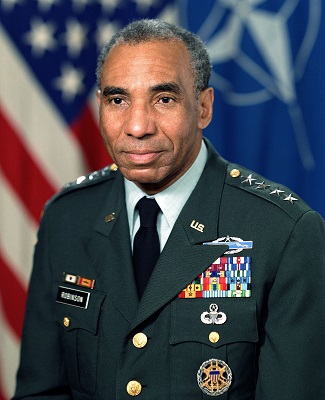
Roscoe Robinson Jr. was a trailblazing figure in American military history, most notably recognized as the first African American to achieve the rank of four-star general in the United States Army.
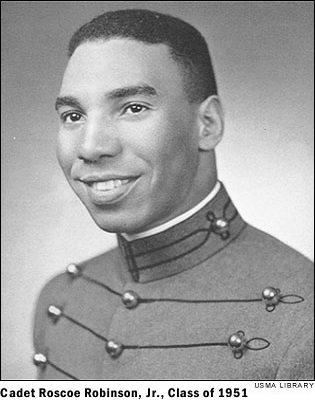
Born on October 11, 1928 in St. Louis, MO, Robinson’s life was shaped by a steadfast commitment to service and excellence. After graduating from the U.S. Military Academy at West Point in 1951 — an institution still grappling with racial integration — he began a distinguished military career that would span over three decades. His early assignments included combat roles in both the Korean and Vietnam Wars, where he demonstrated exceptional leadership and tactical skill.
Robinson’s rise through the ranks was marked not only by his strategic acumen but also by the resilience and professionalism he exhibited in the face of systemic racial barriers. His leadership in Vietnam, particularly as commander of the 2nd Battalion, 7th Cavalry, earned him the Silver Star and numerous other commendations for valor and effectiveness in high-stakes environments. As his career progressed, he became known for advocating modernized training and equitable opportunity within the Army, helping to push forward reforms that aligned with the evolving expectations of military service in a diverse America.
In 1982, Robinson was promoted to full general, a historic achievement that broke racial ceilings within the highest echelons of U.S. military leadership. He served as U.S. representative to the NATO Military Committee in Brussels, bringing not only his military expertise but also a unique perspective as an African American leader on the global stage. His presence in such a prominent international role underscored a shift in the representation of African Americans in positions of power and influence within defense and diplomacy, setting a precedent for future generations.
Robinson’s impact extended beyond the battlefield and the Pentagon. He became a symbol of progress during a time when the U.S. military — and American society at large — was undergoing critical cultural transformations. His career challenged long-standing assumptions about race and leadership and offered a compelling narrative of merit, dedication, and the possibility of change from within institutions. Through mentorship, public speaking, and continued involvement in military affairs even after his retirement, Robinson inspired countless young service members, particularly African Americans, to pursue careers in military service with a sense of pride and purpose.
The legacy of General Roscoe Robinson Jr. is woven into the broader story of America’s evolving identity. His life illustrated how personal excellence can transcend structural obstacles, and how one individual’s achievements can influence institutional norms and national memory. He was posthumously honored with various awards and memorials, including the naming of facilities and programs in his honor, ensuring that his contributions to American military history and cultural progress would not be forgotten.
Through courage, intellect, and integrity, Roscoe Robinson Jr. helped shape the modern American military into a more inclusive and representative force.