

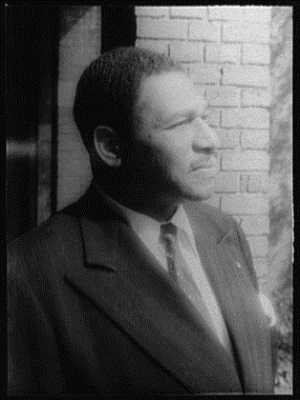
Frederick O'Neal
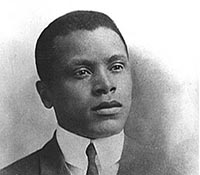

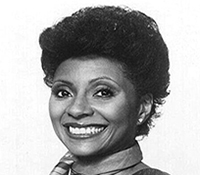

August 27 …
Frederick O’Neal was a groundbreaking actor, director, and labor leader whose contributions to American theater and television helped redefine the roles and opportunities available to Black performers in the 20th century.
Listen to this story:
Born on August 27, 1905 in St. Louis, O’Neal was drawn to the arts from a young age. After moving to New York City during the 1920s, he became immersed in Harlem’s cultural scene and began building a career in the theater at a time when roles for African Americans were scarce and often steeped in stereotype. His early experiences with racial barriers in the entertainment industry fueled a lifelong commitment to creating spaces where Black artists could work with dignity and creative freedom.
In 1940, O’Neal co-founded the American Negro Theatre (ANT) in Harlem alongside playwright Abram Hill. The ANT emerged as a revolutionary response to the exclusion and misrepresentation of Black performers in mainstream American theater.
Under O’Neal’s leadership, the ANT produced plays that authentically reflected African American life and trained a generation of talented Black artists. His vision helped establish a model for community-based theater that was artistically ambitious and socially conscious. The organization became a cultural institution, launching the careers of Sidney Poitier, Ruby Dee, and Harry Belafonte.
Beyond the stage, O’Neal made significant inroads into American television and film during the mid-20th century, appearing in a number of productions that broke new ground for African American actors. His performances were known for their dignity, depth, and intelligence — traits that stood in contrast to the limited and often demeaning roles typically offered to Black performers.
O’Neal helped set a precedent for future generations, showing that Black actors could command serious roles with gravitas and complexity. His television work helped normalize the presence of Black talent in American living rooms at a time when visibility was a powerful tool for cultural progress.
O’Neal was also a formidable advocate for labor rights in the arts. In 1964, he became the first African American president of the Actors’ Equity Association, a historic milestone in the struggle for representation and equality in the entertainment industry. In that role, he fought to expand employment opportunities for minority performers and to ensure fair treatment for all actors regardless of race. His leadership helped push the industry toward more equitable hiring practices and set a standard for artist activism in the labor movement.
O’Neal’s influence on American culture is vast and enduring. Through his work as a performer, organizer, and cultural visionary, he helped reshape the landscape of American theater and television. His legacy is one of perseverance, integrity, and unwavering dedication to the belief that the arts should reflect the full breadth of the human experience.
In championing the voices and stories of African Americans, Frederick O’Neal not only helped to transform the entertainment industry, but also contributed to the broader Civil Rights Movement and social justice movement in the United States.
