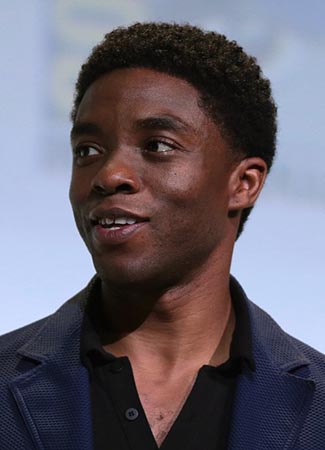
Chadwick Boseman
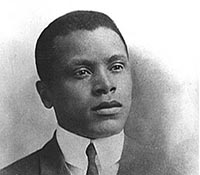
November 29
Chadwick Boseman was a gifted actor, playwright, and cultural icon whose work left a lasting imprint on American film and popular culture.
Born on November 29, 1976, in Anderson, SC, Boseman was raised in a close-knit, working-class family and nurtured a love of storytelling from a young age. He studied directing at Howard University under the mentorship of renowned actress Phylicia Rashad, and later trained at the British American Drama Academy. Before gaining fame on screen, Boseman worked behind the scenes as a writer and director, sharpening a creative voice that was both thoughtful and socially conscious.
Boseman’s breakthrough as an actor came with his portrayal of real-life baseball legend Jackie Robinson in the 2013 film “42.” His performance captured Robinson’s quiet strength and dignity in the face of racism, earning Boseman widespread acclaim. This role marked the beginning of a remarkable run in which he became known for bringing Black historical figures to life with depth and humanity. He portrayed soul singer James Brown in “Get on Up” and civil rights lawyer Thurgood Marshall in “Marshall,” establishing himself as a powerful performer with a deep commitment to telling meaningful stories about Black resilience and excellence.
Despite his success in biographical dramas, Boseman became a global sensation with his portrayal of T’Challa, the Black Panther, in the Marvel Cinematic Universe. Debuting in “Captain America: Civil War” and leading the groundbreaking “Black Panther,” Boseman became the face of a cultural phenomenon. Black Panther was not just a superhero movie — it was a celebration of African identity, pride, and futuristic imagination. Boseman’s portrayal of the Wakandan king was regal and commanding, and the film became a landmark in cinema, showing the power of representation and the commercial viability of Black-led blockbusters.
Off-screen, Boseman was known for his grace, humility, and activism. He used his platform to speak about racial injustice, honor historically marginalized communities, and support young people pursuing their dreams. Quietly, he also battled colon cancer, a diagnosis he kept private while continuing to work on physically demanding and emotionally intense roles. His strength and determination in the face of illness became an inspiration to millions after his death, revealing a profound level of personal sacrifice for the sake of his craft and his community.
Boseman’s final performance in “Ma Rainey’s Black Bottom” (2020) was a masterclass in acting, filled with vulnerability and fire. His portrayal of Levee, a talented and ambitious trumpet player navigating racial tensions and personal trauma, earned him a posthumous Academy Award nomination — the first African American to be so honored — and solidified his legacy as one of the most talented actors of his generation. The film, like much of his work, was layered with cultural commentary, blending performance with a deep meditation on history, pain, and perseverance.
Chadwick Boseman’s legacy transcends his filmography. He redefined what it meant to be a leading man in Hollywood and reshaped the cultural imagination around Black identity, power, and dignity. Through his dedication to telling stories that mattered, he elevated American film and brought honor to the lives of those he portrayed. His life, though tragically short, was one of immense impact — one that continues to inspire artists, audiences, and change-makers around the world.
* photo by Gage Skidmore from Peoria, AZ, United States of America