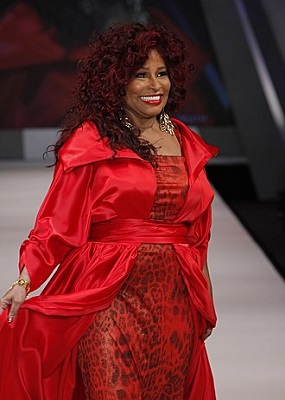
Chaka Khan

March 23 …
Chaka Khan is one of the most influential vocalists in music history, a transformative figure whose artistry reshaped funk, R&B, and pop, while leaving a lasting imprint on culture, society, and the global soundscape.
Born Yvette Marie Stevens on March 23, 1953 in Chicago, Khan was raised in a vibrant, socially aware household that fostered her artistic and political consciousness. Growing up in the Hyde Park neighborhood, where her parents worked at the University of Chicago, she was exposed to a rich tapestry of cultural influences from an early age.
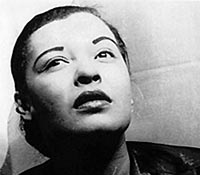
Khan’s passion for music blossomed during her childhood, leading her to form her first group, the Crystalettes, at just 11 years old, inspired by music legends like Gladys Knight and Billie Holiday. Although she left high school as a teenager, her hands-on experiences in performance, activism, and collaboration proved pivotal.
Experiencing an early dedication to social justice during her youth, Khan briefly joined the Black Panther Party after befriending a member — fellow Chicago native Fred Hampton. Social justice was a theme that would resonate throughout her artistic journey.
Khan’s professional journey took off in the early 1970s when she became the lead vocalist of the band Rufus, marking a significant moment that established her as a quintessential voice in funk music. With the guidance of influential figures like Stevie Wonder — who penned the breakthrough hit “Tell Me Something Good” for Rufus — and producer Quincy Jones, she developed a distinctive style that blended raw emotional depth with technical artistry.
Khan’s solo career began in 1978 with the self-titled album Chaka, further broadening her musical horizons and producing timeless tracks such as “I’m Every Woman,” “I Feel for You” (written by Prince), and “Through the Fire.” Notably, “I Feel for You” played a crucial role in merging R&B with rap, marking a transformative phase in popular music history.
Over the decades, Khan collaborated with icons including Ray Charles, Mary J. Blige, and newer talents like Sia. This showcases her enduring influence and adaptability.
Khan’s achievements are remarkable and historically significant. She has received 11 Grammy Awards, sold approximately 70 million records globally, and is celebrated as the “Queen of Funk.”
Khan’s accolades include induction into the Rock and Roll Hall of Fame (Musical Excellence Award, 2023) and a Grammy Lifetime Achievement Award in 2026, underscoring her lasting impact on the music industry. Beyond her awards, her influence is evident in the countless artists she has inspired — ranging from Whitney Houston, who notably covered “I’m Every Woman,” to contemporary vocalists like Jazmine Sullivan and H.E.R., who have acknowledged her legacy.
Khan’s ability to navigate various genres — funk, soul, jazz, pop, and dance — has redefined the landscape for Black women in mainstream music and entertainment.
Culturally and historically, Khan’s contributions reach far beyond commercial success. Emerging during a time of significant social upheaval in the United States, she became a beacon of artistic freedom, Black empowerment, and female independence. Her commanding stage presence, unique voice, and groundbreaking fusion of styles influenced not only her peers — such as Aretha Franklin, Diana Ross, and Tina Turner — but also shaped the evolution of American popular music.
As both a trailblazer and a bridge across generations, Chaka Khan has served as a mentor through collaboration and exemplification, demonstrating resilience in the face of personal challenges and reinvention. In doing so, she has profoundly influenced the sound, identity, and cultural significance of modern music, solidifying her status as a foundational figure in American artistic history.