Motown Museum


September 27 …
The Motown Museum stands as a living monument to the sound that transformed American music and reshaped the cultural and social fabric of the United States.
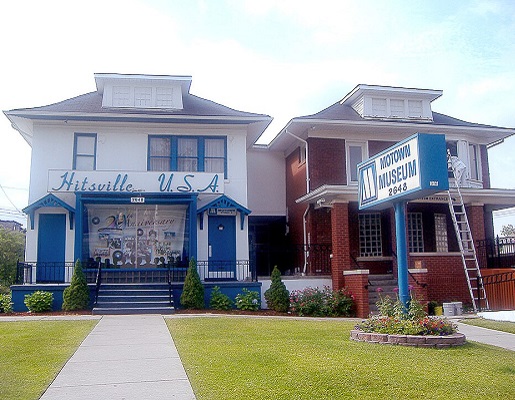
Founded on September 27, 1985 by Esther Gordy Edwards, the museum is located in the iconic Hitsville U.S.A. house at 2648 West Grand Boulevard in Detroit. The building was the birthplace of Motown Records, which was established by her brother, Berry Gordy, in 1959.
The museum’s creation was driven by a dual purpose: to preserve the physical space and historical artifacts of a company that had a profound impact on global music while also embodying a personal mission for Edwards, a former Motown executive. From the beginning, it has drawn a diverse and international audience — music historians, enthusiasts, students, and tourists — and served as both an archive and a pilgrimage site for those eager to explore the roots of the “Sound of Young America.”
The museum’s history is intertwined with the rise of Motown, which emerged during the civil rights era as a pioneering Black-owned business that broke racial barriers in popular music. The preserved building houses Studio A, where legendary artists like Stevie Wonder, Marvin Gaye, and The Supremes recorded timeless hits that resonated with audiences across racial and geographical divides.
By preserving the authenticity of these spaces, the museum offers a tangible connection to a time when music served as a catalyst for cultural integration and social change. Its exhibitions, showcasing original instruments, costumes, photographs, and recordings, provide insight into how Motown’s systematic approach to artist development crafted a distinctive and influential sound.
As an institution, the museum aims to “preserve, promote, and celebrate the authentic Motown Story,” while also inspiring future generations of creators, entrepreneurs, and thinkers. This mission echoes the broader impact of Motown on American society. The label not only produced chart-topping music, but also showcased Black excellence in business, artistry, and cultural leadership.
Through educational initiatives like the Hitsville NEXT programs, the museum extends its influence beyond preservation into mentorship and training, mirroring the original Motown system that nurtured young talent. Its audience — now a global community of visitors and learners — continues to expand, attracting individuals from various backgrounds who resonate with the museum’s themes of creativity, resilience, and cross-cultural connection.
The museum has gained recognition as a national cultural treasure and one of Detroit’s most significant tourist attractions, welcoming visitors from around the globe every year. Its contributions are evident in its lasting prestige, ongoing expansion efforts, and role in safeguarding one of history’s most influential musical legacies. Current development projects, including a major multi-million-dollar expansion, reinforce its status as both a historical landmark and a forward-thinking cultural institution.
In honoring the artists, producers, and visionaries who shaped Motown, the Motown Museum continues to influence American cultural memory, ensuring that its legacy in music, civil rights, and global popular culture remains vibrant and accessible for future generations.