

Tulsa Massacre

May 31 …
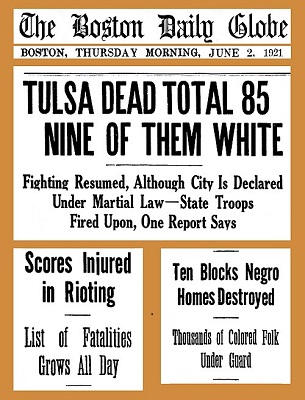
The Tulsa Race Massacre — also known as the Tulsa Race Riot — was one of the most devastating and tragic racial violence events in American history. It occurred from May 31 to June 1, 1921 in the Greenwood District of Tulsa, OK.
Greenwood, often referred to as Black Wall Street, was a prosperous African American community known for its thriving businesses, schools, and churches. The district was a symbol of Black success and resilience in a time of widespread racial segregation and discrimination. However, it was also a place of deep racial tension, and the massacre would forever alter the course of its history.
The events leading up to the massacre began with an altercation between a young Black man, Dick Rowland, and a white woman, Sarah Page, on May 30, 1921. Rowland, a shoe shiner, was accused of assaulting Page, a clerk in a downtown building. The details of the incident remain unclear, but rumors spread quickly, fueled by racial animosity.
The next day, the Tulsa Tribune local newspaper published a sensationalized story about the alleged assault, which further stoked tensions in the city. A white mob gathered, demanding Rowland’s lynching, while a group of Black residents, many of them veterans of World War I, assembled to protect him.
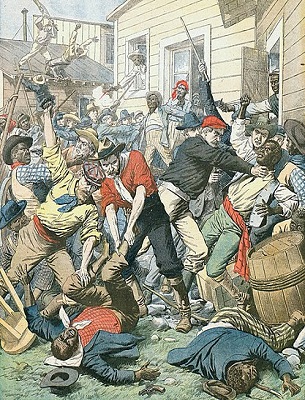
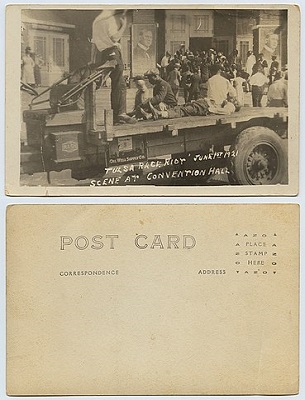
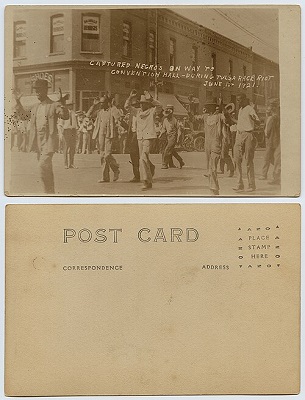
The situation escalated rapidly. A confrontation between the two groups of armed people led to gunfire, and soon the violence spread throughout the Greenwood District. The white mob, some of them members of the Ku Klux Klan, began looting, burning, and destroying the businesses and homes of Black residents.
Over the course of the next 24 hours, entire blocks of Greenwood were reduced to rubble. The fires set by the mob consumed much of the district, and buildings that had once represented the prosperity of the Black community were completely destroyed.

Homes and businesses burned in Greenwood
Despite the devastation, the events of the Tulsa Massacre were largely ignored or suppressed by both local and national media for decades. Survivors were left with no compensation for their losses, and the city of Tulsa largely moved on without acknowledging the trauma inflicted upon the Black community.
In the years following the massacre, many residents of Tulsa worked to rebuild their lives and their community, but the wounds of the massacre remained deep. Greenwood, once known as a thriving Black business hub, never fully recovered from the violence.
African American families who had lost their homes and businesses were left with few resources to start anew. At the same time, Tulsa’s white community largely went unpunished for the destruction and violence, and the massacre was erased from the public consciousness for many years.
The massacre remained a subject of silence and shame until the late 20th century when survivors and their descendants began pushing for justice and recognition. In the 1990s, the Oklahoma state government created a commission to investigate the events of 1921, leading to a report that acknowledged the massacre and called for reparations for the victims’ descendants. The survivors and their families fought for recognition and compensation, though significant obstacles remained in securing justice for the lasting harm done to the community.
Today, the legacy of the Tulsa Massacre continues to resonate as a powerful reminder of the racial violence and injustice that shaped much of American history. The massacre has sparked ongoing conversations about reparations, racial equity, and the need for acknowledgment and accountability.
In recent years, Tulsa has taken steps to memorialize the events and honor the victims, including the establishment of the Greenwood Cultural Center and the Greenwood Massacre Memorial. Despite these efforts, the Tulsa Race Massacre remains a painful chapter in American history, one that continues to challenge the nation’s reckoning with its past.
