Lewis Adams


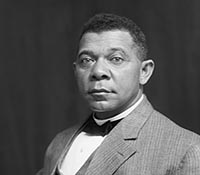
October 27…
Lewis Adams was a craftsman and community leader whose vision and advocacy played a pivotal role in the founding of Tuskegee Institute, shaping education, vocational training, and social advancement for generations of African Americans.
Born into slavery on October 27, 1842 in Macon County, AL, Adams acquired valuable skills in carpentry, blacksmithing, and craftsmanship through practical experience instead of formal education. After gaining his freedom, he emerged as a respected leader in the Tuskegee community, admired for both his expertise and his commitment to enhancing opportunities for formerly enslaved individuals.
Recognizing the vital role of education and practical training in achieving economic empowerment, Adams diligently advocated for the establishment of an industrial and agricultural school for African Americans in the area. His efforts were aligned with the broader Reconstruction movement aimed at expanding access to education and vocational training for freedmen, drawing inspiration from leaders who championed self-help and community development.
Adams’ most notable achievement was his collaboration with educator and reformer Booker T. Washington, whom he invited to Tuskegee in 1881 to help establish what eventually became Tuskegee Institute. Leveraging his community standing and connections with local and state leaders, Adams successfully secured land, funding, and public support for the school, ensuring it could provide academic and industrial training.
Adams collaborated with peers in Alabama’s African American community and supporters from the North who shared his vision of vocational education as a means to self-sufficiency. Additionally, he mentored young students and craftsmen, instilling the values of skill, discipline, and civic responsibility in them.
Though he did not receive formal accolades during his lifetime, Adams’ legacy is honored through the continued success of Tuskegee University, which became a beacon of vocational and higher education for African Americans nationwide. His contributions to education, society, and culture exemplify the impact of community leadership and practical knowledge in driving social change.
By advocating for accessible, skill-based education and partnering with visionary educators, Lewis Adams laid the groundwork for a transformative institution that would influence civil rights, economic opportunity, and African American cultural achievement for generations to come.