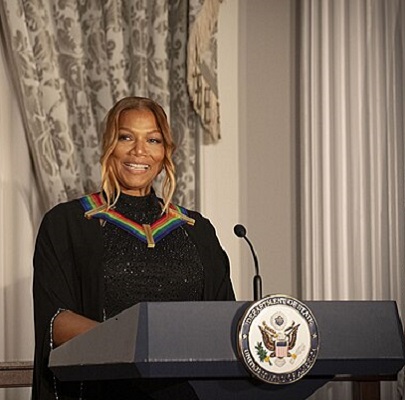
Queen Latifah
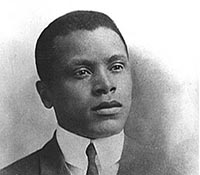
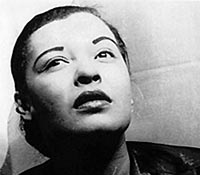
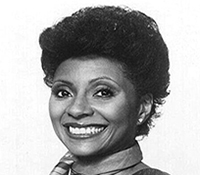

March 18 …
Queen Latifah is a groundbreaking artist whose influence spans American music, film, television, theater, and popular culture.
Born Dana Elaine Owens on March 18, 1970 in Newark, NJ, Latifah was raised in East Orange by her police officer father and a schoolteacher mother. Her stage name — bestowed in her teens — means “delicate” and “very kind” in Arabic. A talented student and athlete, she attended Catholic school and later studied at Borough of Manhattan Community College. Her early exposure to gospel, soul, and hip-hop shaped her artistic sensibilities, and her confidence as a performer was nurtured in part by the supportive cultural community of late-1980s New York.
Latifah first rose to prominence during hip-hop’s golden age, when socially conscious lyricism and Afrocentric pride were reshaping the genre. With the 1989 release of her debut album All Hail the Queen, she became one of rap’s first major female stars, asserting themes of Black empowerment and gender respect in songs like “Ladies First.”
At a time when the industry was dominated by male voices, she stood alongside contemporaries like MC Lyte, Salt-N-Pepa, and KRS-One, helping to define a more inclusive vision of hip-hop culture. She has often cited soul greats like Aretha Franklin as inspirations, and her blend of rap, jazz, and R&B reflected a reverence for earlier Black musical traditions.
Her transition into acting in the 1990s expanded her impact beyond music. After a breakout role on the sitcom Living Single, she demonstrated her range in films such as Set It Off and Chicago, the latter earning her an Academy Award nomination for Best Supporting Actress, becoming the first female hip-hop recording artist to be so nominated.
She went on to star in commercially successful films including Bringing Down the House, Last Holiday, and Girls Trip, becoming one of the few artists to move fluidly between hip-hop credibility and Hollywood mainstream success. In television, she later headlined and executive produced the drama series The Equalizer, further cementing her role as a powerful presence behind and in front of the camera.
Queen Latifah’s accomplishments extend to theater and music revival. She earned critical praise for her portrayal of blues legend Bessie Smith in the HBO film Bessie, showcasing her vocal and dramatic depth.
On stage and screen, she has celebrated the legacy of jazz and classic pop standards, recording albums that pay homage to the Great American Songbook and performing tributes to icons like Dinah Washington. Her versatility—moving from rap anthems to jazz ballads to Broadway-style musicals—has made her a rare multidisciplinary entertainer.
Throughout her career, Latifah has served as both mentee and mentor within the entertainment community. Early encouragement from industry figures such as Flavor Flav helped bring her demo recordings to wider attention, and she later collaborated with artists, including Missy Elliott and Mary J. Blige.
As her career matured, she became a model for younger performers navigating music and film, influencing artists who sought to cross genre and media boundaries. Her peers in acting and entertainment have included figures such as Will Smith and Jada Pinkett Smith, fellow artists who similarly bridged music and screen.
In 2006, Latifah became the first hip-hop artist to receive a star on the Hollywood Walk of Fame. And in 2023, she became the first female rapper to be a Kennedy Center honoree.
In 2023, Queen Latifah’s debut album, All Hail the Queen, was added to the Library of Congress’s National Recording Registry, marking it as the earliest female rap recording to achieve this honor. This recognition also made her the second female hip-hop artist, following Lauryn Hill, to have her music included in the registry.
Latifah was inducted as an honorary member of Delta Sigma Theta sorority during the organization’s 57th National Convention on July 9, 2025.
Other accolades reflect the breadth of her achievements. She has won a Grammy Award, Golden Globe Award, Emmy Award, and multiple NAACP Image Awards, and she received a star on the Hollywood Walk of Fame. Beyond trophies, however, her cultural impact lies in how she expanded representations of Black womanhood in media — projecting strength, humor, glamour, and authority without abandoning her roots in hip-hop activism.
As a performer, producer, entrepreneur, and advocate for diversity in entertainment, Queen Latifah occupies a singular place in American cultural history, having helped redefine what it means to be a multifaceted artist in the modern era.