

Nashville Sit-ins


February 13 …
The Nashville Sit-ins were a defining chapter of the Civil Rights Movement, representing a disciplined, student-led campaign of nonviolent resistance that helped dismantle segregation in downtown Nashville, TN and inspired similar actions across the South.
Beginning in the early months of 1960, a sustained wave of protest not only challenged Jim Crow laws at public lunch counters, but also helped cultivate new leaders and strategies that would resonate throughout the civil rights movement, leaving a lasting mark on American society and culture.
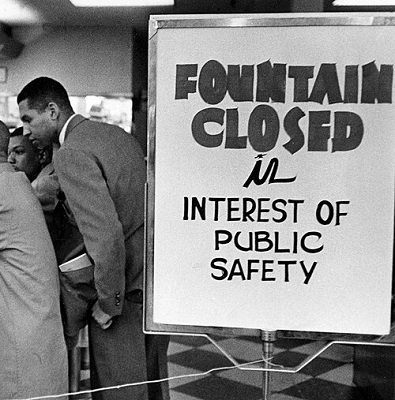
The sit-ins in Nashville officially began on February 13, 1960, when approximately 124 Black college students from Nashville’s historically Black institutions — Fisk University, Tennessee A&I (now Tennessee State University), Meharry Medical College, and American Baptist Theological Seminary (now American Baptist College) — entered downtown retailers … Woolworth’s, S.H. Kress, and McLellan’s.
The students were eeking service at segregated lunch counters. Rejected, they took a seat in protest, sparking weeks of organized activism. This campaign stemmed from months of preparation by the Nashville Student Movement and the Nashville Christian Leadership Council (NCLC), with influential mentors like Rev. James Lawson imparting nonviolent strategies inspired by Gandhi and other pacifist traditions.
The student demonstrations were led by notable figures including Diane Nash, John Lewis, James Bevel, Bernard Lafayette, Marion Barry, and C.T. Vivian, whose bravery and strategic approach became defining features of the movement. Their readiness to face arrest and harassment rallied community support and heightened national awareness.
Incidents like the arrests during confrontations on February 27, 1960, where nearly 100 protesters were jailed after enduring hostility, highlighted both the dangers and moral significance of the struggle. Following the bombing of prominent Black attorney Z. Alexander Looby’s home in April, thousands marched on City Hall, with student leaders famously urging Nashville’s mayor to denounce segregation as unjust—a critical moment that paved the way for negotiated change.
The outcomes of the sit-ins were monumental. By May 10, 1960 — after nearly three months of persistent activism — six downtown stores began serving Black customers at their lunch counters, making Nashville one of the first major Southern cities to integrate public facilities.
More than just a local triumph, the sit-ins in Nashville helped shape broader civil rights strategies, contributed leadership to national efforts like the Student Nonviolent Coordinating Committee (SNCC). It provided a lasting model of organized, principled activism that educated and inspired generations of activists, students, and community members.
The legacy of the Nashville Sit-ins continues to be studied, commemorated, and expanded upon through educational programs, exhibitions, and public history collections that explore the profound impact of the sit-ins on equality and justice in the United States.
