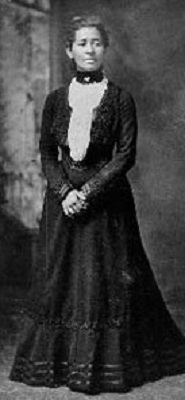
Selena Sloan Butler
January 4 …
Selena Sloan Butler was a pioneering activist and educator whose lifelong dedication to improving education for African American children and advancing social justice left a profound impact on American society.
Born on January 4, 1872 in Thomasville, GA, Butler grew up in a segregated South, confronting profound challenges as an African American woman. Yet, her unwavering determination and commitment to educational reform propelled her to become a pivotal figure in the civil rights and education movements of the early 20th century.
Butler believed that access to quality education was vital for uplifting African American communities. As a result, she dedicated much of her life to ensuring that future generations of Black children had the resources and opportunities necessary for success.
In 1911, Butler founded and served as the first president of the National Congress of Colored Parents and Teachers Association (NCCPT), the first parent-teacher association for African Americans in the United States. Following the merger of the NCCPT with the National PTA in 1970, she was posthumously honored as one of the organization’s founders.
In 1919, she formed a statewide parent-teacher association in Georgia. Later, during World War II, Butler was instrumental in establishing the first chapter of the Red Cross’ first black women’s chapter of “Gray Ladies.”
Butler’s work alongside other influential African American women, like Mary McLeod Bethune and Ida B. Wells, solidified her status as a leader among her peers. These women greatly inspired Butler, as they were all dedicated to empowering African Americans and advocating for their rights through education and social activism.
Throughout her career, Butler tirelessly sought to enhance the educational system for Black children in Georgia, fighting against segregation and insufficient funding for Black schools. She organized community initiatives to build new schools, advocate for teacher training, and ensure that Black children learned in environments conducive to their growth.
Burler’s advocacy extended beyond the classroom. She aimed to address the intersections of race, class, and gender within the educational system, particularly empowering Black women to assume leadership roles in their families and communities. Her influence as a mentor and role model for younger women who would later lead social justice efforts was immense, helping to shape the path for the next generation of civil rights leaders, including figures like Coretta Scott King and Rosa Parks.
Though Butler did not receive widespread recognition during her lifetime, her contributions to education and social justice have become integral to the narrative of African American activism and empowerment. Her efforts laid the groundwork for future educational reforms, and her legacy continues to inspire educators, activists, and women leaders across the nation.
Today, Selena Sloan Butler is recognized as a co-founder of the National Parent-Teacher Association. Her relentless advocacy for Black children and her role in strengthening the African American community through education were crucial in advancing the cause of racial equality, cementing her place as a significant figure in American education and the broader civil rights movement.