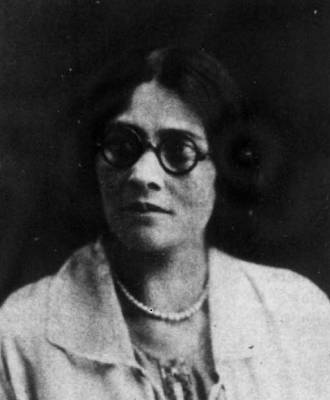
Ruth Gaines-Shelton


April 8 …
Ruth Gaines-Shelton was a pioneering playwright and influential figure in American theater, whose work bridged the gap between African American cultural expression and the broader theatrical landscape.
Renowned for her compelling storytelling, Gaines-Shelton’s impact on theater, entertainment, and culture demonstrates a profound dedication to examining themes of race, identity, and social justice, using the stage to highlight the African American experience within the broader American artistic dialogue.
Growing up in a vibrant community rich in cultural heritage, Gaines-Shelton was born on April 8, 1872 in Glasgow, MO. Her early immersion in music, drama, and literature ignited her passion for the arts. She pursued a higher education in theater, earning degrees that laid the groundwork for her future roles as a playwright and cultural advocate.
Her academic journey was further enriched by mentorships with influential theater figures, providing her with valuable insights into the nuances of playwriting and the societal issues surrounding race and representation. Drawing inspiration from the works of greats like Lorraine Hansberry, Amiri Baraka, and August Wilson, Gaines-Shelton’s writing reflects a commitment to tackling the complexities of African American life, delving into the intersections of identity, history, and politics within her plays.
Throughout her career, Gaines-Shelton’s work has been celebrated for its authenticity, emotional resonance, and innovative approach to challenging difficult topics. Praised by peers and critics alike, she has a unique ability to craft engrossing narratives that entertain while urging audiences to confront racial and social inequalities.
Her plays have graced stages in prominent theaters nationwide, providing audiences with a critical view of African American life, particularly during times of heightened racial strife. Her contemporaries, including Suzan-Lori Parks and Tarell Alvin McCraney, have drawn inspiration from her work, sharing a collective commitment to pushing the boundaries of traditional theater and contributing to a movement of African American playwrights seeking to reshape the American stage.
In addition to her achievements as a playwright, Gaines-Shelton has emerged as a respected mentor to younger generations of writers, guiding aspiring talents to embrace their unique voices and stories. Many of her protégés have forged successful careers in theater and film, continuing the exploration of the complexities of African American identity in their works.
Gaines-Shelton’s influence extends beyond her own writing as she actively engages in theater education, imparting her knowledge to budding playwrights, directors, and actors, nurturing a new generation of artistic voices.
Throughout her illustrious career, her contributions have garnered numerous prestigious accolades, recognizing her excellence in playwriting and her significant impact on the arts. Gaines-Shelton’s influence on American theater is measured not only by her awards but also by the enduring legacy she established in transforming the theatrical landscape, ensuring that African American voices remain prominent and respected on stage.
Through her creative works, mentorship, and advocacy, Ruth Gaines-Shelton stands as a pivotal figure in American theater history, leaving an indelible mark that continues to inspire contemporary playwrights and theater artists.