Ibram X. Kendi


August 13 …
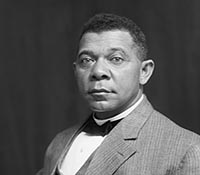
Ibram X. Kendi is a prominent American historian, author, and public intellectual whose scholarship and advocacy have significantly shaped contemporary debates about race, antiracism, and public policy in the United States.
Born Ibram Henry Rogers on August 13, 1982 in New York City and raised in Queens and later Manassas, VA, Kendi grew up in a family deeply embedded in the traditions of the Black church and social justice. He later adopted the name Ibram X. Kendi, reflecting his African and diasporic identity as well as honoring Malcolm X.
Kendi earned his undergraduate degree from Florida A&M University and completed his doctoral studies in African American Studies at Temple University, where he focused on the historical construction of racist ideas and their policy implications.
Kendi first gained national recognition with his book Stamped from the Beginning, a comprehensive historical study tracing the evolution of racist thought in America from the colonial period to the present. This work earned him the National Book Award for Nonfiction, making him one of the youngest recipients of the accolade.
He further expanded his influence with How to Be an Antiracist, which translated historical analysis into a framework for personal and institutional change. In these writings, Kendi posited that racist policies — not merely ignorance or hate — are the primary drivers of racial inequity, asserting that active antiracist policymaking is essential for dismantling systemic injustice.
Kendi’s scholarship reshaped public discourse, shifting the focus from individual prejudice to structural accountability.
Beyond his writing, Kendi has made significant contributions to American higher education. He founded the Center for Antiracist Research at Boston University, aimed at producing data-driven scholarship and policy proposals to address racial disparities in health, education, housing, and criminal justice.
Kendi’s academic career has included faculty positions at various universities, where he has mentored graduate students and collaborated with scholars in history, public policy, and African American studies. He is contemporaneous with influential voices such as Ta-Nehisi Coates and Robin DiAngelo, each making unique contributions to national discussions on racism, identity, and reform.
Kendi has also engaged younger audiences by co-authoring accessible texts and adaptations, including projects with Jason Reynolds, to incorporate discussions about history and equity into classrooms and homes. His public speaking, media appearances, and advisory roles have positioned him as a key figure in debates over curriculum, diversity initiatives, and the impact of historical interpretation on civic life.
At times, Kendi’s proposals — especially calls for constitutional amendments or federal oversight to ensure antiracist policy — have provoked criticism from political opponents and ignited vigorous public debate, highlighting the contentious nature of race and governance in contemporary America.
Despite facing challenges and polarized reactions, Kendi’s contributions to American education and social thought have garnered widespread recognition. Alongside the National Book Award, he has received fellowships, honorary degrees, and placements on influential lists acknowledging his impact on culture and scholarship.
His work has significantly influenced educators, policymakers, and activists striving to tackle persistent racial inequities through structural reform.
By merging rigorous historical research with accessible public engagement, Ibram X. Kendi has emerged as a defining voice in 21st-century American conversations about race, justice, and the responsibilities of a democratic society.