

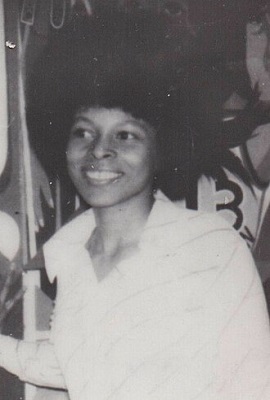
Assata Shakur


July 16 …
Assata Shakur is a former member of the Black Liberation Army and a polarizing figure in American history whose life has come to symbolize the turbulent intersection of race, radical politics, and state power in the late 20th century.
Born JoAnne Deborah Byron on July 16, 1947 in New York City and raised between Queens and Wilmington, NC, Shakur came of age during the peak of the civil rights and Black Power movements. Her political awakening was shaped by experiences of racism and the sweeping social movements of the 1960s, which inspired many young activists to adopt more confrontational approaches to systemic injustice.
Shakur became involved with the Black Panther Party before later associating with the more militant Black Liberation Army. Influenced by the teachings of figures like Malcolm X and the revolutionary writings of global anti-colonial leaders, Shakur embraced an ideology that framed Black liberation as part of a worldwide struggle against oppression.
Her contemporaries, such as Angela Davis and Huey P. Newton, critiqued structural racism and state violence, though their paths and strategies diverged significantly.
National controversy surrounded Shakur following a 1973 shootout on the New Jersey Turnpike that resulted in the deaths of a state trooper and a fellow activist. She was convicted in 1977 for the murder of the trooper after a highly publicized trial, which her supporters argued was tainted by political bias and insufficient evidence.
In 1979, she escaped from prison with the help of supporters and eventually resurfaced in Cuba, where she was granted political asylum. The U.S. government continues to classify her as a fugitive, and in 2013, she was added to the FBI’s Most Wanted Terrorists list, intensifying the debate over her legacy and status. While critics see Shakur as a convicted criminal responsible for lethal violence, supporters regard her as a political exile and a symbol of resistance.
Shakur’s 1987 autobiography, Assata: An Autobiography, has become influential in activist and academic circles, detailing her experiences with surveillance, incarceration, and the broader climate of repression against Black radicals. This book has been widely incorporated into university courses on African American studies and political movements, contributing to discussions about race, policing, and the criminal justice system.
Her life has also inspired artists and musicians, embedding her name in hip-hop lyrics and popular culture as a reference point for defiance and political consciousness. Shakur was widely described as the godmother of rapper Tupac Shakur.
Shakur has not received formal awards or accolades in the traditional sense, and her public image remains profoundly contested. Yet, her impact on American culture and history is undeniable, serving as a lens through which to examine the ideological divides of the era and the enduring tensions between activism and the state.
Whether viewed as a revolutionary or an outlaw, Assata Shakur remains a figure whose life story continues to provoke reflection on justice, resistance, and the unresolved struggles that have shaped — and continue to shape — American society.
