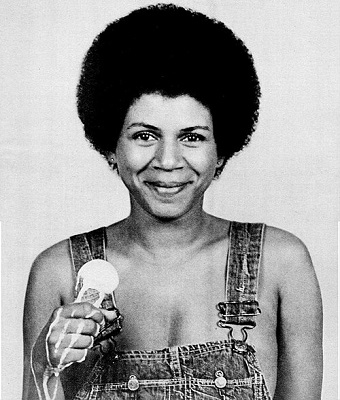
Minnie Riperton
November 8 …
Minnie Riperton was an extraordinary American singer and songwriter whose luminous voice and artistic spirit helped redefine soul music and left an enduring mark on American music, entertainment, and culture.
Born on November 8, 1947 in Chicago’s Bronzeville neighborhood, Riperton grew up in a vibrant musical family that nurtured her early interest in music, drama, and dance, laying the groundwork for a career that seamlessly blended technical vocal mastery with emotional depth. From her humble beginnings singing in local groups to captivating audiences across the globe, Riperton’s influence continues to resonate with artists and listeners, even decades after her untimely passing.
Riperton’s musical journey commenced with classical training at Chicago’s Abraham Lincoln Center, where she honed her skills in opera, mastering breath control, phrasing, and vocal technique that would later define her work. As a teenager, she led the girl group “The Gems” and provided backing vocals for legendary artists on the Chess Records roster, including Etta James and Bo Diddley. This experience offered her early exposure to professional performance and studio work, helping her develop a remarkable versatility and a profound understanding of diverse musical styles that would inform her solo artistry.
Her vocal abilities were extraordinary! Riperton boasted a rare five-octave range and became renowned for her mastery of the whistle register, a high-pitched technique that set her apart from her contemporaries in soul and R&B. Her talents gained global acclaim with her 1974 album Perfect Angel and its breakout single “Lovin’ You,” a tender ballad she co-wrote with her husband Richard Rudolph and co-produced with Stevie Wonder. This song soared to No. 1 on the Billboard Hot 100, solidifying its status as one of the era’s most iconic love songs.
Among Riperton’s artistic peers were fellow soul and R&B luminaries of the 1970s, including Stevie Wonder, with whom she toured and collaborated, alongside other influential vocalists shaping popular music.
Her impact extends into subsequent generations, with artists such as Mariah Carey, Ariana Grande, and Chanté Moore citing her vocal innovations and expansive range as crucial to their artistic development. In this way her legacy as a bridge between classic soul and modern pop and R&B is well established.
Riperton also made significant social contributions by openly discussing her battle with breast cancer, becoming one of the first celebrities to publicly raise awareness about her diagnosis and advocate for early detection. She served as a spokesperson for the American Cancer Society and received the organization’s Courage Award at the White House, and used her platform to inspire and educate others during a time when such conversations were less common.
Her tragic death from the disease in 1979 at just 31 years old highlighted both her personal bravery and the loss of an extraordinary artistic voice.
Riperton’s impact on American music and culture is profound, as she pushed the boundaries of vocal technique and genre while inspiring generations of artists and engaging audiences with her heartfelt storytelling through song.
The legacy of Minnie Riperton endures not only in timeless recordings, but also in the myriad ways her artistry expanded the expressive possibilities of soul and popular music, securing her place as one of the most remarkable voices in American musical history.