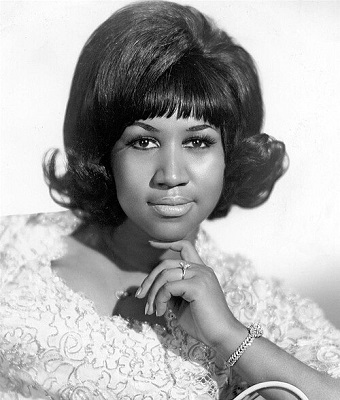
Aretha Franklin




March 25 …
Aretha Franklin was an iconic singer, pianist, and cultural force whose voice and artistry not only defined soul music, but also helped shape the landscape of American music and culture in the 20th century and beyond.
Born on March 25, 1942 in Memphis, TN and raised in Detroit, she emerged from a deeply musical family steeped in the Black gospel tradition, carrying those influences into an unparalleled career that spanned over five decades, earning her the enduring title of “Queen of Soul.” Franklin’s musical journey began in her father’s church, where she was surrounded by gospel hymns and powerful performances that nurtured her prodigious talent.
As a teenager, she recorded her first gospel album, and by her early twenties, she transitioned to secular music, initially signing with Columbia Records before discovering her true artistry with Atlantic Records. There, she fused gospel, R&B, jazz, and pop into a sound distinctly her own, creating timeless classics like “I Never Loved a Man (the Way I Love You),” “Respect,” “Think,” and “(You Make Me Feel Like) A Natural Woman.” These songs became staples of American popular music and resonant expressions of personal and collective identity.
Throughout her career, Franklin drew inspiration from the sacred gospel traditions of Clara Ward and Albertina Walker, as well as secular contemporaries like Otis Redding, whose song “Respect” she transformed into a powerful anthem of empowerment. She collaborated with legendary producers like Jerry Wexler, and worked with artists across various genres. Her duet with British star George Michael on “I Knew You Were Waiting (for Me)” brought her back to the top of the charts in the late 1980s, showcasing her versatility and broad appeal.
Franklin also shared stages with soul and R&B luminaries like Ray Charles and Sam Cooke, alongside later peers such as Whitney Houston, all of whom contributed to and were influenced by the musical landscape of their era. Her impact resonated with younger generations of musicians who admired her emotional depth and artistic authenticity.
Franklin’s extraordinary contributions were recognized with an impressive array of awards and honors that highlighted her artistic excellence and cultural significance. She won 18 Grammy Awards throughout her career, including multiple consecutive wins for “Best Female R&B Vocal Performance,” and received special accolades like the Grammy Lifetime Achievement Award and the Grammy Legend Award.
In 1987, she became the first woman to be inducted into the Rock and Roll Hall of Fame, and her later accolades included the Kennedy Center Honors, National Medal of Arts, and Presidential Medal of Freedom — America’s highest civilian award. Posthumously, she made history again by receiving a Pulitzer Prize Special Citation for her profound impact on American music and culture, becoming the first individual woman to achieve this honor.
Beyond accolades and charts, Franklin’s voice became interwoven with pivotal moments in American history. She sang at the funeral of civil rights leader Martin Luther King Jr. and performed at presidential inaugurations, advocating for human dignity and social justice through her art.
Franklin’s music resonated with movements for racial equality and women’s empowerment, turning songs like “Respect” into powerful anthems for change.
The legacy of Aretha Franklin endures not only in the richness of her recordings and performances, but also as a cultural icon whose life and work profoundly shaped the American experience in music, activism, and societal transformation.