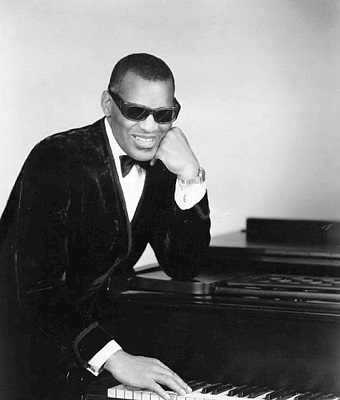
Ray Charles

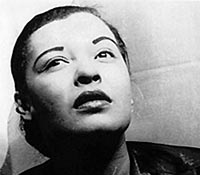
September 23 …
Ray Charles was a pioneering American musician whose fusion of gospel, blues, jazz, and country reshaped popular music and left an indelible mark on American culture and civil rights history.
Born on September 23, 1930 in Albany, GA and raised in Greenville, FL, Charles lost his sight at a young age, yet cultivated an extraordinary musical ear and emotional depth that would shape his artistry. His early influences included gospel music from the church, the blues of artists like Tampa Red, and the sophisticated jazz phrasing of Nat King Cole and Charles Brown, whom he admired and emulated during his formative years. After moving to Seattle as a teenager, he formed his first groups and began recording, gradually creating a sound that fused sacred fervor with secular themes.
In the 1950s, he revolutionized rhythm and blues with hits such as “I Got a Woman” and “What’d I Say,” laying the foundation for what would come to be known as soul music. His unique phrasing, call-and-response arrangements, and incorporation of gospel intensity into popular song established a new musical language that influenced generations to come.
In the 1960s, Charles achieved crossover superstardom with recordings that expanded his audience and challenged racial and stylistic barriers. His landmark album, Modern Sounds in Country and Western Music, reinterpreted country standards through lush orchestration and soulful delivery, producing timeless hits such as “I Can’t Stop Loving You.”
By embracing country music at a time of rigid genre divisions, he illustrated the interconnectedness of American musical traditions. He collaborated with and influenced contemporaries like Aretha Franklin, Stevie Wonder, and James Brown, each of whom carried forward elements of his stylistic daring and emotional honesty.
Beyond music, Charles made significant contributions to American society and civil rights. He insisted on performing before integrated audiences in the segregated South and famously refused to play a concert in Augusta, GA, upon learning the venue would be segregated — a decision that led to a temporary ban, but underscored his commitment to equality. His stance aligned him morally with leaders such as Martin Luther King Jr., and his music often served as a unifying force during times of social upheaval.
Songs like “Georgia on My Mind” eventually gained symbolic significance. The track was later designated the official state song of Georgia, reflecting both reconciliation and acknowledgment of his cultural impact.
Charles’s achievements were widely recognized, earning him numerous awards and honors. He won 17 Grammy Awards during his lifetime and received a Grammy Lifetime Achievement Award.
In 1986, he was among the inaugural inductees into the Rock and Roll Hall of Fame, recognizing his foundational role in shaping modern popular music. He also received the Kennedy Center Honors and a National Medal of Arts, further solidifying his status as one of America’s most significant cultural figures.
Even amid personal struggles, including battles with addiction, Charles maintained a relentless dedication to his craft, continuing to record and tour well into his later years.
Ray Charles’s legacy endures as a testament to artistic innovation, resilience, and cultural bridge-building. By blending musical traditions that had been artificially separated by race and marketing categories, he helped redefine the soundscape of American music and expand its emotional vocabulary.
Over a career that spanned more than five decades, Charles earned the nickname “The Genius” for his ability to transcend genres and convey profound emotions through his voice and piano. His influence resonates in soul, R&B, rock, and country recordings that followed, and his insistence on dignity and integration extended far beyond the stage.
Through his voice, piano, and principled actions, Ray Charles Robinson not only transformed music but also made meaningful contributions to the evolving narrative of American identity.