

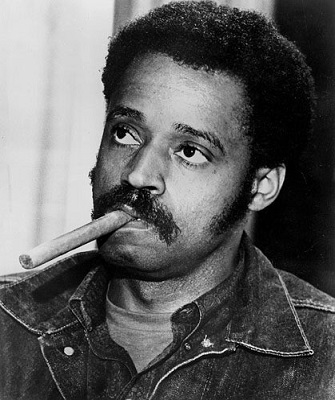
Melvin Van Peebles


August 21 …
Melvin Van Peebles was a groundbreaking actor, filmmaker, playwright, and cultural provocateur whose fearless storytelling reshaped American cinema and amplified Black creative autonomy during a turbulent era in U.S. history.
Born in Chicago on August 21, 1932, Van Peebles seamlessly navigated various artistic disciplines — writing novels, composing music, directing theater, and acting on screen — while developing a fiercely independent voice. Although he was not an athlete himself, his work intersected with American sports culture, challenging narrow portrayals of Black masculinity and strength, and broadening audiences’ understanding of identity, power, and resistance.
His influence extended far beyond film, impacting society, politics, and popular culture in ways that continue to resonate today. Van Peebles initially gained international recognition in France before returning to the United States with a determination to create films on his own terms.
His 1971 film, Sweet Sweetback’s Baadasssss Song, marked a pivotal moment in American cinema. Produced independently with limited resources, the film was unapologetically political and achieved commercial success, proving that narratives centered on Black protagonists could flourish outside of traditional Hollywood frameworks. Its raw style and provocative themes inspired the Blaxploitation era, paving the way for films with strong Black leads and intricate urban narratives.
Van Peebles’s artistic independence motivated contemporaries such as Gordon Parks, director of Shaft, and actors like Richard Roundtree and Pam Grier, who became icons of the genre. His influences were diverse, ranging from European New Wave cinema to the radical ideologies of Malcolm X and the broader Black Arts Movement.
Van Peebles admired writers and revolutionaries who defied convention, embodying that spirit throughout his own career. As a mentor and exemplar of self-determination, he encouraged younger artists — including his son, actor and director Mario Van Peebles — to seek creative control and challenge industry norms. He also shared cultural milestones with figures like Sidney Poitier and Ossie Davis, who were forging new opportunities for Black performers in mainstream film and theater, although Van Peebles often pushed boundaries further by resisting compromise with studio expectations.
In addition to filmmaking, Van Peebles was a novelist, composer, and Broadway performer, earning acclaim for his works that fused satire, politics, and personal narrative. His stage production Ain’t Supposed to Die a Natural Death garnered multiple Tony Award nominations, highlighting his versatility and impact.
Throughout his lifetime, he received numerous accolades acknowledging both his artistry and cultural significance, including lifetime achievement awards that celebrated his pioneering role in independent cinema. In 2021, he was awarded an honorary Academy Award for his revolutionary contributions to filmmaking and lasting influence on generations of storytellers.
Van Peebles’s legacy is intricately tied to the evolution of American culture in the late twentieth century. By asserting creative ownership and emphasizing Black experiences in bold, uncompromising ways, he reshaped the trajectory of film history and empowered artists across various disciplines.
His work enriched representations of Black life in media, influenced fashion and music, and contributed to reshaping public discourse surrounding race, resistance, and artistic freedom. In doing so, Melvin Van Peebles secured his status as a transformative cultural architect, with a vision that continues to resonate within American society and its creative landscape.
