
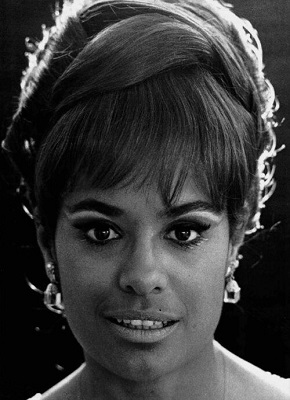
Barbara McNair


March 4 …
Barbara McNair was a pioneering entertainer whose work across music, film, and television helped expand representation for Black women in mid-20th-century American popular culture.
Born on March 4, 1934 in Chicago, McNair displayed remarkable talent in music and performance from an early age. She received formal music training at the American Conservatory of Music and continued her studies at Northwestern University, where she honed her vocal technique along the way.
McNair’s initial exposure to jazz, pop standards, and classical music laid a versatile foundation that would shape her career. She began performing in clubs and theaters, eventually moving into recording and television work as her reputation flourished.
As a recording artist, McNair found success with albums and singles that highlighted her smooth vocal style. This led to appearances on major television programs like The Barbara McNair Show, one of the first network variety shows hosted by an African American woman.
McNair’s film credits include appearances in They Call Me Mister Tibbs! and If He Hollers, Let Him Go! This further expanded her reach in Hollywood.
Influenced by jazz and pop legends like Ella Fitzgerald and Nat King Cole, whose crossover successes preceded her own, McNair worked alongside contemporaries such as Diana Ross, Lena Horne, and Diahann Carroll. All played crucial roles in creating more opportunities for Black performers in mainstream entertainment.
McNair’s visibility in music and television opened doors for subsequent generations of Black entertainers pursuing careers in variety television and crossover music. Although she did not receive major competitive awards such as the Grammy or Academy Awards, she gained significant recognition for breaking racial barriers in television and entertainment, earning honors from various civil rights and entertainment organizations for her cultural impact.
McNair’s cultural significance is highlighted by her role as a groundbreaking performer during a time of significant racial segregation in American media. By hosting her own television program and participating in both the mainstream film and music industries, she challenged restrictive industry norms and expanded public perceptions of Black female entertainers.
The legacy of Barbara McNair continues to resonate in the evolving landscape of television and music, where her career serves as an early testament to crossover success and cultural integration in entertainment history.