
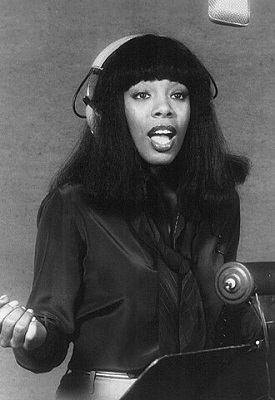


December 31 …
Donna Summer was a groundbreaking figure in American music whose career helped define the disco era and left an enduring mark on popular culture, entertainment, and the global music industry.
Dubbed the “Queen of Disco,” Donna Summer’s powerful vocals, dynamic stage presence, and genre-blending style propelled dance music into mainstream popularity, paving the way for future generations of female artists. Beyond her disco contributions, she left an indelible mark on R&B, pop, and electronic music, solidifying her status as an icon whose artistry resonated across decades and continents.
Born LaDonna Adrian Gaines on December 31, 1948 in Boston, Summer was raised in a musically rich household that nurtured her passion for performance. She began singing in her church choir at an early age, developing a natural affinity for gospel music that would shape her emotive singing style throughout her career.
After attending Boston’s Girls’ Latin School and participating in local theater productions, she traveled to Germany in the late 1960s to perform in stage musicals and on European television. She gained international exposure there before returning to the U.S. to pursue her recording career.
Summer’s breakthrough occurred in the mid-1970s with collaborations alongside producers Giorgio Moroder and Pete Bellotte. Together, they crafted a series of groundbreaking disco hits such as Love to Love You Baby, I Feel Love, and Last Dance, which became global sensations, establishing her as the quintessential voice of the disco era.
Her music, characterized by hypnotic electronic beats and powerful vocals, laid the foundation for electronic dance music and influenced countless artists in the ensuing decades. Summer’s unique ability to blend soulful expression with danceable rhythms transformed the musical landscape, demonstrating the commercial and artistic potential of disco.
Rooted in gospel, soul, and Motown, Summer often cited artists like Aretha Franklin and Mahalia Jackson as inspirations that honed her vocal approach. Her contemporaries included disco and pop legends such as Gloria Gaynor, Chic, and the Bee Gees, with whom she shared stages and audiences during the height of the disco phenomenon.
Summer served as a mentor and inspiration to younger artists, including Beyoncé and Lady Gaga, who have recognized her fearless stage presence and vocal prowess as significant influences on their own careers.
Her influence extended beyond music into fashion, entertainment, and social culture. Her bold costumes, electrifying live performances, and media presence turned her into a symbol of empowerment and self-expression for women and marginalized communities.
She defied societal norms regarding sexuality, race, and femininity, using her art to foster visibility and representation at a time when Black female artists often faced marginalization. Her impact also played a crucial role in popularizing dance clubs and nightlife culture, creating spaces for communal celebration and artistic exploration.
Over her illustrious career, Summer was honored with numerous awards and accolades, including five Grammy Awards, multiple American Music Awards, and induction into both the Dance Music Hall of Fame and the Rock and Roll Hall of Fame. She achieved multiple number-one hits on the Billboard charts, sold millions of records worldwide, and left a legacy that continues to inspire artists and fans alike.
The contributions of Donna Summer to American music, culture, and history reflect a career marked by innovation, resilience, and artistic excellence, solidifying her enduring position as one of the most influential entertainers of the 20th century.