
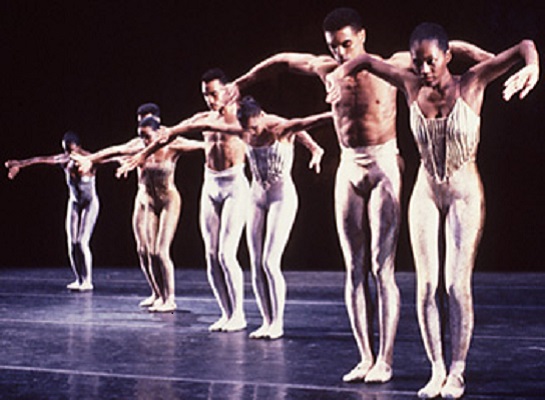
Dance Theatre of Harlem

February 11 …
The Dance Theatre of Harlem (DTH) stands out as a transformative force in the landscape of American dance, emerging from a potent blend of artistic excellence, community devotion, and social awareness.
On February 11, 1969, amidst significant national turmoil, Arthur Mitchell (the first Black principal dancer in a major ballet company) and his mentor Karel Shook established a small dance school in a repurposed garage in Harlem. Mitchell had been inspired to found the classical ballet school because the civil rights movement and the shocking news of the assassination of Martin Luther King Jr.
This initiative — under the directorship of Mitchell, Brock Peters, and Cicely Tyson — aimed to provide opportunities for young individuals from all backgrounds to learn classical ballet. What started as open-door classes in a neighborhood long marginalized from mainstream American culture quickly evolved into a broader mission: to assert that ballet, typically perceived as the domain of an exclusive elite, belongs to everyone.
From these modest beginnings, DTH rapidly developed into a professional company of remarkable ambition and reach. Its debut in 1971 at the Solomon R. Guggenheim Museum in New York attracted critical acclaim, signaling the emergence of a new voice in ballet — one that seamlessly combined rigorous classical technique with an inclusive vision of artistic expression. Early partnerships were influenced by the company’s ties to the broader dance community, notably through George Balanchine’s generosity in sharing repertory, which opened doors for this young ensemble. Over the following decades, the company built a rich and diverse repertoire, showcasing everything from neoclassical pieces to bold reimaginings of classical ballets like Creole Giselle and Firebird, thereby introducing new cultural narratives into the ballet canon.
A cornerstone of DTH’s lasting legacy is its dual role as both educator and advocate. The Dance Theatre of Harlem’s School has trained thousands of students, marrying rigorous ballet education with comprehensive arts training and community involvement. Programs like Dancing Through Barriers extend DTH’s influence into public schools and community centers, introducing dance into classrooms and neighborhoods across the United States and internationally. These initiatives emphasize DTH’s conviction that the arts are not merely performative but serve as tools for empowerment, inspiring young people to envision new possibilities for themselves and their communities.
Support for DTH has poured in from a wide range of individuals, foundations, and donors who recognize the company’s cultural and social importance. Significant contributions from philanthropists such as MacKenzie Scott and Dan Jewett — the largest in the company’s history — as well as transformative grants from organizations like The Andrew W. Mellon Foundation, have bolstered DTH’s ability to sustain its artistic endeavors, expand educational programming, and strengthen institutional resilience for the future. These acts of support reflect the confidence leaders across various sectors place in the mission of the organization and its ongoing role in enhancing the nation’s cultural fabric.
Through over five decades of performances and outreach, DTH has received both national and international acclaim. Its tours have graced stages in numerous countries and across the United States, charming audiences and challenging stereotypes about inclusion in classical ballet. Honors and accolades have recognized DTH both for its artistic accomplishments and its societal contributions, with awards from civic, cultural, and governmental bodies. Landmark performances and historic tours — such as those in Russia and South Africa — have established DTH as an ambassador of American culture and an emblem of artistic diplomacy.
The legacy of artists emerging from DTH attests to its profound impact on generations of dancers. Alumni have pursued distinguished careers in major companies and artistic leadership roles, while resident choreographers and company members have played pivotal roles in the evolution of dance repertory and education. DTH’s commitment to diversity in casting and repertoire has established it as a beacon for dancers of color globally, affirming that excellence in ballet transcends conventional boundaries of race and background.
DTH continues to flourish as a globally respected ballet company, a dynamic educational institution, and a strong advocate for artistic access and cultural equity. Its evolution from a Harlem garage to stages worldwide represents not only a triumph of artistic vision but also a significant contribution to American culture and history.
Through its performances, training, and community outreach, the Dance Theatre of Harlem has redefined the essence of classical dance — broad, inclusive, and profoundly reflective of the diverse society it serves.
